

October is a useful painting month because cooler air makes indoor work comfortable while many exterior surfaces still have enough warmth for a proper cure. The right decision depends less on the calendar than on surface temperature, moisture, prep, and the finish you need.
Which Paint Fits Each Surface and Exposure?

For a mixed indoor and outdoor project, my practical pick is to buy by exposure and surface, not by one-brand loyalty. Interior wall paint is built around washability, odor, stain resistance, and smooth leveling. Exterior paint must handle ultraviolet light, rain, temperature swings, and expansion of wood or siding. A premium interior coating is not a substitute for exterior paint, even if the color is identical.
| Product | Best use | Specific data | Clear verdict |
|---|---|---|---|
| Benjamin Moore Aura Interior | Interior bedrooms, living rooms, kitchens, and trim | 350-400 square feet per gallon; about 1-hour dry and 1-hour recoat under stated conditions; low-VOC formula | Best premium interior pick when hide, scrubbability, and color depth matter more than the lowest can price |
| Sherwin-Williams Emerald Interior Acrylic Latex | High-use interior walls and rooms that need frequent cleaning | Available in flat, matte, satin, and semi-gloss; stain-blocking and washability features; low-emission certification | Best interior choice for busy households that expect to wipe walls often |
| BEHR PREMIUM PLUS Exterior | Wood, vinyl, fiber cement, stucco, masonry, and fences | 100 percent acrylic; 250-400 square feet per gallon; about 1-hour dry and 2-hour recoat; mildew-resistant finish | Best value-oriented exterior option when the surface is well prepared and the budget is controlled |
| Zinsser Bulls-Eye 1-2-3 Water-Based Primer | Patchwork, glossy surfaces, stains, and mixed substrates | Theoretical coverage of about 545 square feet per gallon at a 1-mil dry film thickness | Best problem-solving primer when adhesion or stain bleed is the main risk |
The figures above come from manufacturer product information, and actual coverage falls when the substrate is porous, rough, heavily patched, or changing from a dark color to a light one. Read the current label before buying because formulas, packaging, and regional availability can change.
When an interior premium paint earns its price
Benjamin Moore Aura Interior is a strong choice for a main living area, a child’s room, or a kitchen where repeated cleaning matters. Its published coverage sits around 350-400 square feet per gallon, and the product is sold in several interior sheens. The price premium makes sense when one extra coat would cost more in labor and disruption than the difference between paint lines. It is not a reason to skip sanding, cleaning, or primer.
Sherwin-Williams Emerald Interior Acrylic Latex is the better fit for a busy hallway, mudroom, or family room where stain resistance carries more value than the lowest purchase price. Its flat, matte, satin, and semi-gloss options make it easier to keep one product family across a room. Buy it for durability, not because the label removes the need for two coats on a major color change.
When exterior value matters more than prestige
BEHR PREMIUM PLUS Exterior is a sensible choice for siding, fences, and outdoor structures that have been cleaned, scraped, and repaired correctly. The manufacturer lists 250-400 square feet per gallon, one-hour dry time, and two-hour recoat time under label conditions. The wide coverage range is a reminder to estimate from the roughness and absorbency of the surface rather than multiplying wall area by a perfect laboratory figure.
Use Zinsser Bulls-Eye 1-2-3 when the project has stains, glossy old paint, bare drywall repairs, or several different substrates. A primer is not wasted money when it prevents flashing, peeling, or tannin bleed. It is wasted when the surface is dirty, wet, or failing underneath; primer cannot glue rotten wood back together.
For current product details, compare the Benjamin Moore Aura specifications, the Sherwin-Williams Emerald product information, and the BEHR PREMIUM PLUS Exterior data before purchase.
Five Paint Mistakes That Cause Early Failure
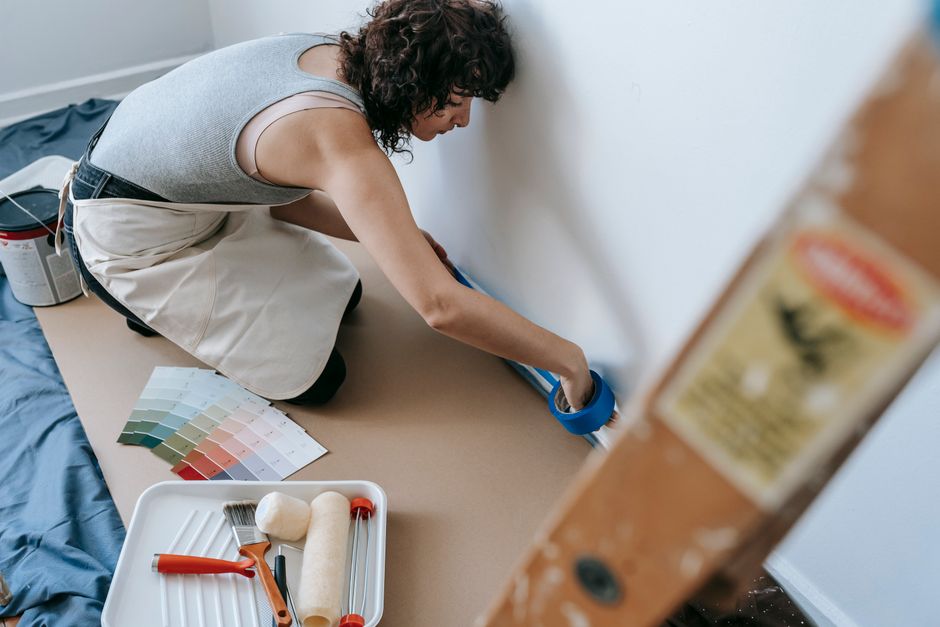
My recommendation is to postpone the job when the surface or forecast fails these checks. The cheapest paint applied to a sound, dry surface can outperform expensive paint applied over contamination or moisture. Use this list as a stop-work test.
- Painting over dirt or chalk. A clean-looking wall can carry cooking film, hand oils, dust, or fine powder. Wash or wipe the surface according to the coating label, rinse when required, and wait until it is dry. Exterior chalk is especially dangerous because the new film bonds to loose powder instead of the siding.
- Ignoring the dew point. Exterior paint needs a dry surface, not just a rain-free forecast. Morning condensation, fog, and a cold shaded wall can add water after application. Start after the surface dries and stop early enough for the coating to set before nighttime moisture.
- Using the wrong primer. A general wall primer may not block smoke, tannins, rust, water marks, or severe color bleed. Match the primer to the problem. Use an adhesion primer for slick surfaces, a stain-blocking primer for bleed-through, and a masonry-compatible system for alkaline or porous materials.
- Trusting one-coat claims on every color. A one-coat result depends on the base color, tint, substrate, sheen, and application thickness. Deep colors and large changes often need two coats. Plan the job around the coverage range on the label, not the most optimistic number printed in advertising.
- Painting failing wood or damp masonry. Scraping the visible paint is not enough if the board is soft or water enters behind the cladding. Repair the cause, replace damaged material, and let masonry dry. A coating warranty usually does not pay for labor or structural repairs, and it may exclude poor preparation, moisture intrusion, or application outside the label range.
- Using exterior paint inside without checking the label. Exterior products may have odor, cure, and emissions characteristics designed for outdoor use. Interior products may lack the weather resistance needed outside. Treat interior and exterior formulas as separate tools unless the manufacturer clearly approves both uses.
- Skipping a contractor comparison. For a whole-house exterior, collect at least three written quotes with the same scope: washing, scraping, repairs, primer, number of coats, paint line, sheen, cleanup, and warranty exclusions. Labor often costs more than the paint, so the lowest bid may simply leave out prep.
Paint Questions Buyers Ask in October
Can I paint exterior siding in October?
Yes, if the surface is dry, the temperature stays within the product label range, and the forecast allows the coating to cure before dew, rain, or freezing conditions arrive. Start on the warmer, sunnier side of the house after condensation disappears. Leave shaded elevations for later or move them to a warmer season. The correct answer is a weather window, not a month on the calendar.
Should I choose flat, satin, or semi-gloss?
Choose flat for ceilings and textured siding where glare would expose flaws. Choose satin for most washable walls and many exterior siding applications. Choose semi-gloss for trim, doors, cabinets, and other surfaces that need frequent wiping. The practical winner for a typical interior wall is eggshell or satin because it balances cleanup with modest defect hiding.
Is paint-and-primer-in-one enough?
Sometimes, but the label name does not erase surface conditions. A sound, previously painted wall in a similar color may need only the finish product. Bare drywall, glossy film, smoke stains, water marks, tannin-rich wood, and major color changes deserve the primer suited to the problem. Zinsser Bulls-Eye 1-2-3 is a useful example for mixed surfaces and adhesion concerns, but even that primer needs a clean, dry, stable substrate.
What should a fair painting quote include?
Ask for square footage, prep steps, repair allowances, primer, paint brand and line, sheen, number of coats, start conditions, cleanup, and warranty limits. Ask who pays for extra work if rotten wood or active moisture appears. Get multiple quotes from contractors who describe the same scope. A warranty that covers only replacement paint is not equivalent to one that covers labor, and many warranties exclude failures caused by moisture, poor preparation, or application outside label instructions.
What is the October buying decision?
For interior walls, choose a washable acrylic latex in eggshell or satin and spend the saved time on cleaning and patching. For exterior siding, select a 100 percent acrylic exterior coating only after checking surface moisture and the overnight forecast. For stains, glossy patches, or mixed substrates, buy the correct primer before buying extra finish paint.
| Project | Recommended direction | Main reason |
|---|---|---|
| Bedroom or living room | Interior acrylic latex in eggshell or satin | Balanced washability and defect hiding |
| Busy hallway or family room | Washable premium interior acrylic latex | More resistance to scrubbing and stains |
| Exterior siding or fence | 100 percent acrylic exterior paint | Better resistance to moisture, fading, and temperature movement |
| Stained or glossy surface | Problem-specific bonding or stain-blocking primer | Improves adhesion and reduces bleed-through |
| Cold, damp, or unstable October weather | Delay exterior work | Failure risk outweighs the convenience of finishing now |