

In October, a patio set can look fine after a final dinner outside. By March, the same set may have split timber, orange rust stains, mildew-smelling cushions, and water trapped inside hollow frames. The damage often begins before the first hard freeze. Wet leaves hold moisture against finishes, overnight condensation enters small cracks, and trapped water expands when temperatures fall below 32°F.
The safest winter plan is simple: clean every surface, dry every joint, protect each material with the right cover, and store cushions away from damp air. Do not assume a homeowners policy will pay for neglected outdoor furniture. Insurance contracts usually cover sudden, listed events, not gradual deterioration, poor maintenance, or repeated moisture exposure.
Why winter damage starts before the first freeze
Dryness matters more than cold. A clean, fully dry chair can often tolerate a cold winter better than a dirty chair protected by an expensive cover. Dirt, pollen, bird droppings, and leaf tannins hold water against paint, powder coating, timber, and fabric. That moisture creates the conditions for rust, mold, staining, and freeze-thaw damage.
Moisture turns small defects into expensive repairs
Inspect the furniture in daylight. Look underneath table edges, around fasteners, inside hollow steel tubing, beneath seat slats, and where legs meet paving. A pinhole in a powder-coated steel frame can admit water. When that water freezes, it expands and pushes the coating farther away from the metal. Aluminum does not rust like steel, but it can pit, oxidize, and loosen around corroded screws.
Wood needs a different check. Run a clean cloth over the surface and look for raised grain, black spots, open joints, and flaking stain. End grain absorbs water faster than broad boards. Pay special attention to table legs and the lower edges of benches, where splashback from wet ground keeps timber damp for hours.
Freeze-thaw cycles are the real enemy
One freeze is rarely the whole story. Repeated movement causes the trouble. Water enters a crack during a mild afternoon, freezes overnight, expands, and then melts the next day. After several cycles, a small split becomes a loose joint or a peeling finish.
Before storage, tighten loose bolts only after the frame is clean and dry. Replace missing plastic feet so the furniture does not sit in standing water. Move pieces off grass, soil, and wet concrete where possible. A breathable raised platform is safer than a plastic sheet laid directly on the ground, which traps condensation underneath.
The practical verdict is clear: start winter preparation when wet nights become regular, not when the first snow forecast appears. For many northern U.S. locations, that means September or October; in milder coastal climates, November may be enough. Local weather matters more than the calendar.
How to clean and dry each furniture material
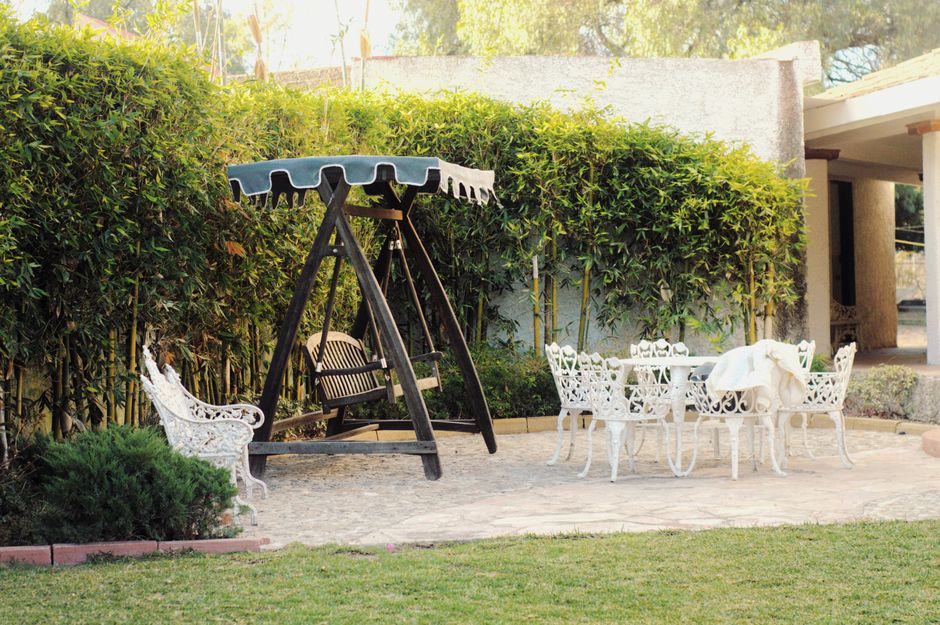
Use the least aggressive cleaning method that removes the dirt. Strong chemicals can strip protective finishes, damage fabric coatings, and leave residues that attract more grime. Test any cleaner on a hidden area first, especially on painted wood or colored cushions.
Wood, painted finishes, and natural fibers
Brush away loose debris, then wash sealed wood with warm water and a small amount of mild dish soap. Use a soft nylon brush along the grain. Do not soak unfinished joints or blast the surface with a pressure washer. High pressure can drive water behind paint and open the grain. Rinse with a low-pressure hose and wipe away standing water.
Allow timber to dry for at least 24 hours in moving air. Dense hardwood may need longer after rain. Do not apply oil or stain while the surface feels cool, looks dark in patches, or shows moisture on a clean cloth. A finish applied over damp wood can seal water inside and cause peeling.
For cushions, remove covers if the care label permits it. Shake out leaves, vacuum seams, and treat mildew only with a cleaner approved for the fabric. Never put cushions into winter storage while they feel even slightly damp. The inside foam can remain wet long after the outer fabric feels dry.
Steel, aluminum, plastic, and wicker
Wash metal and plastic frames with mild soap and water. Rinse thoroughly so salt and cleaner residue do not remain in seams. Dry with towels, then leave the pieces uncovered until hidden areas are dry. For steel, touch up exposed chips with a compatible rust-inhibiting paint. Remove active surface rust with a nylon abrasive pad or fine steel wool used gently; aggressive sanding can enlarge the damaged area.
Aluminum frames benefit from a dry wipe and inspection of fasteners. Replace rusting screws with hardware recommended by the manufacturer. Do not mix incompatible metals without a washer or coating because galvanic corrosion can appear where aluminum touches certain steel fittings.
Resin wicker and molded plastic usually need less work, but they still collect water inside hollow sections. Tilt each item so drainage holes face downward. Wipe cushions separately and leave all parts in a shaded, ventilated place. Direct sun can fade fabric and make some plastics brittle, so drying in full midday sun is not always the safest choice.
Which storage method fits your climate and space?
The strongest storage decision is to keep dry items indoors and keep bulky frames raised, covered, and ventilated outdoors. A sealed plastic wrap is not a storage system. It is a condensation trap unless the furniture is perfectly dry and the wrap is designed for controlled ventilation.
Compare the main winter storage options
| Storage method | Typical cost | Protection level | Main risk |
|---|---|---|---|
| Indoor garage or basement | $0 to $300 for shelving | Highest for cushions and small pieces | Limited floor space; damp basements |
| Ventilated garden shed | $400 to $2,000 | High for frames and cushions if dry | Roof leaks and poor airflow |
| Raised outdoor storage with fitted covers | $80 to $400 | Medium in mild climates | Wind, snow load, and condensation |
| Open-sided covered patio | $0 to $1,500 for improvements | Medium for frames | Wind-driven rain and pests |
For a wet, freezing climate, store cushions indoors even if the frames remain outside. For a dry region with occasional frost, a raised rack under a roof may be enough. For coastal homes, salt air increases the value of indoor storage because salt residue speeds corrosion even when temperatures stay above freezing.
How to arrange furniture inside a shed or garage
Keep at least 2 inches between furniture and an exterior wall so air can move behind it. Place legs on rubber pads, treated timber blocks, or a raised shelf. Do not stack heavy chairs on cushions. Do not lean painted panels directly against concrete because moisture can travel through the wall or floor.
Leave a small gap around boxes and bags. Store fabric cushions in breathable storage sacks rather than airtight tubs unless the cushions are completely dry and the container includes a controlled moisture solution. Check the space after the first week of cold weather. Condensation on the roof, walls, or hardware means the area needs more airflow.
For most households, the clear recommendation is a mixed system: indoor storage for cushions, umbrellas, and fragile accessories; covered, raised, ventilated storage for frames. That arrangement protects the items most likely to develop hidden mold without requiring a large shed.
How to set a winter care schedule you will follow
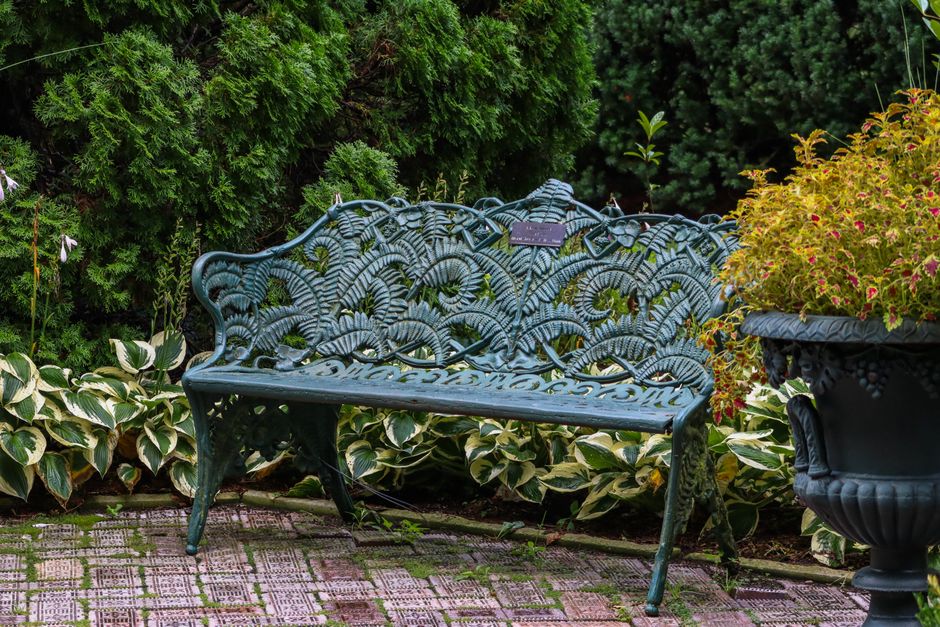
A good plan has three checkpoints: preparation, first inspection, and midwinter review. The schedule is more reliable than waiting for a dramatic weather warning because damage often begins during ordinary damp weeks.
Use this three-checkpoint winter plan
- Preparation day: Remove cushions, umbrellas, covers, leaves, and accessories. Wash each frame, inspect joints, repair chips, and allow everything to dry for 24 to 48 hours.
- Storage day: Move cushions indoors or into a dry ventilated cabinet. Raise frames off wet ground. Fit covers without blocking drainage holes and secure them at several points.
- First cold-weather check: After the first week of heavy rain or frost, look for pooled water, condensation, loose straps, shifted covers, and new rust marks.
- Midwinter check: Inspect after a major storm and again halfway through the season. Brush snow off covers before its weight bends frames. Never use a sharp tool to break ice from fabric.
- Spring release: Remove covers on a dry day, air every item, wash off winter residue, and document any damage with dated photographs before repairs.
What to document for maintenance and claims
Photograph each major item before storage. Include brand, model, approximate purchase date, visible condition, and any receipt or manual. Keep photos in cloud storage rather than only on a phone that could be lost with the property. This record cannot turn excluded wear into a covered loss, but it can make ownership and the timing of damage easier to establish.
If a storm damages the furniture, prevent further loss without throwing anything away before the insurer gives instructions. Photograph the scene, save receipts for reasonable temporary protection, and report the claim promptly. Ask how the deductible applies and whether the item is settled at actual cash value or replacement cost.
That brings us back to the October patio set. The owner who cleaned the frames, dried the cushions indoors, raised the legs, secured a ventilated cover, and checked the policy has removed the most common winter surprises. When spring arrives, the chairs may need a rinse, but they will still be ready for the first warm evening outside.