
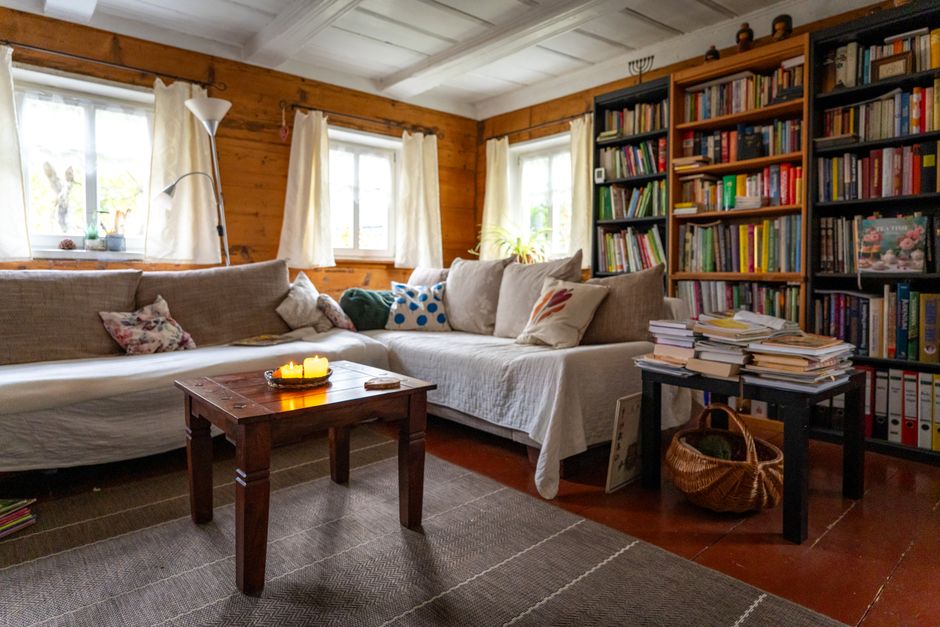
How do you make a living room feel warmer in winter without filling it with blankets, lamps and furniture? The strongest result usually comes from three changes: soften the surfaces, lower the light source and protect the walking space. A room can feel intimate without becoming dark or crowded. These ideas focus on practical changes that work in rented rooms, family homes and open-plan spaces.
Which textiles add warmth without making the room heavy?
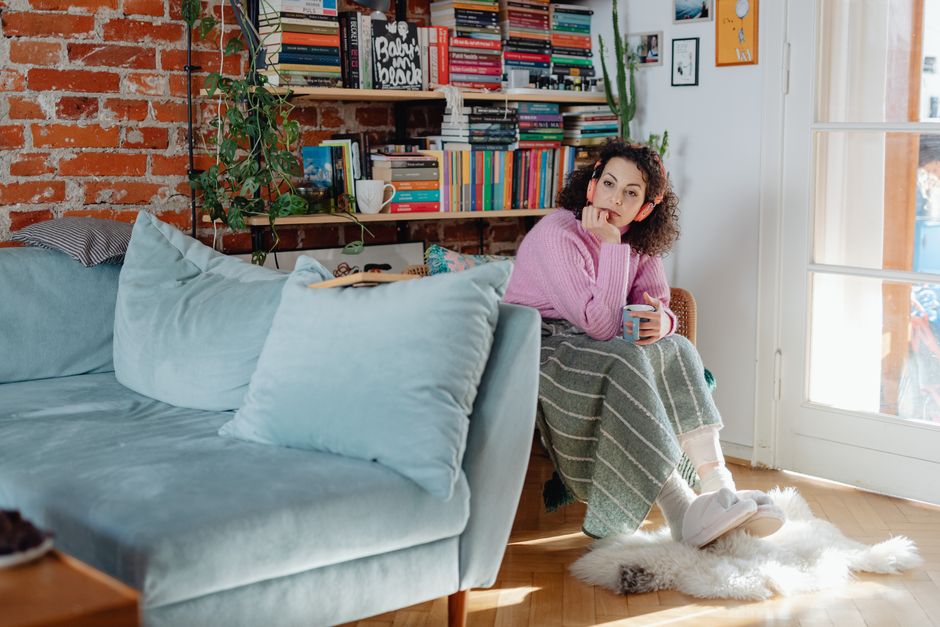
Textiles should add comfort at the points where people sit, walk and lean. They do not need to cover every surface. The right combination is usually one floor layer, one window layer and a few touchable pieces. Choose by function rather than by appearance alone: wool and dense cotton hold shape well, while fleece and faux fur feel soft but can look casual or collect static.
Compare the main winter textile choices
| Textile | Best use | Main strength | Common drawback |
|---|---|---|---|
| Wool | Rug or throw | Warm texture and good shape retention | Higher price and may need careful cleaning |
| Brushed cotton | Throws and cushion covers | Soft, washable and easy to layer | Can look flat if every piece has the same finish |
| Velvet | Cushion or curtain | Rich colour and low-light depth | Shows pressure marks and attracts lint |
| Faux fur | Accent throw | Immediate softness and visual warmth | Can overwhelm a small sofa |
Choose the right weight for the room
In a compact room, use one heavy item and keep the rest lighter. A thick rug with velvet curtains can make the space feel closed in, especially when the windows are small. In a large room, the same combination can stop the furniture from looking lost. For homes with pets or frequent spills, washable cotton usually offers the best balance. The clear recommendation is to buy fewer, better-sized layers instead of several small throws that slide onto the floor.
Place textiles where they will be used
Put a throw within arm’s reach of the main seat, not folded on a high shelf. Hang curtains close to the ceiling and let them reach the floor if the radiator position allows it. A curtain that stops well above the floor can make the window look smaller. Leave enough clearance around doors, vents and heaters so fabric does not create a safety or maintenance problem.
Arrange furniture for warmth, conversation and clear paths
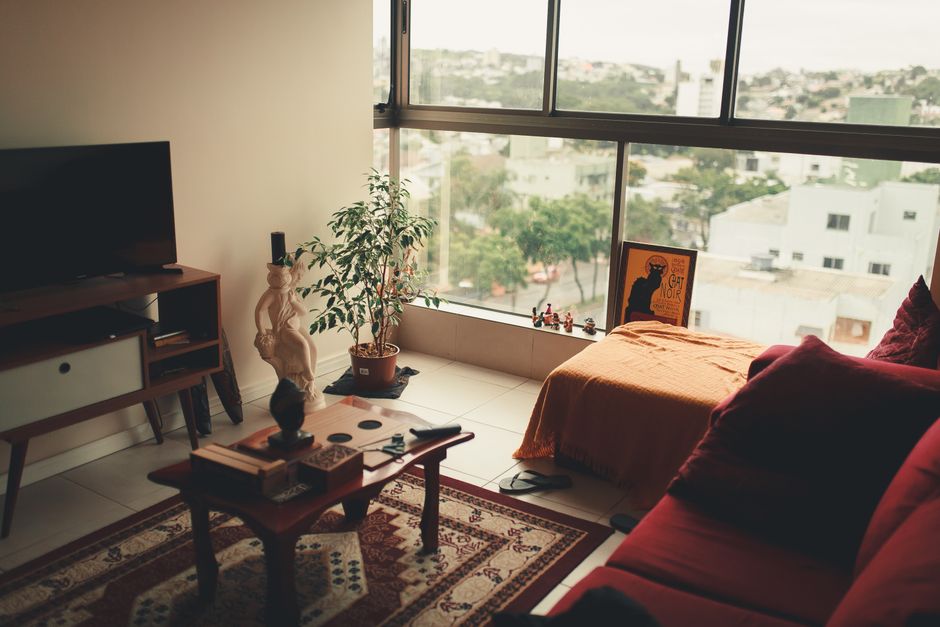
Furniture layout controls comfort more than decoration. A room feels welcoming when the main seats face one another, the coffee table sits within easy reach and the route through the room stays obvious. Start with the people’s movement, not the position of the television. In most homes, a small amount of empty floor makes the remaining furniture look more intentional.
Use this five-step layout test
- Mark the main walking route from the door to the window or adjoining room.
- Keep roughly 75cm of clear passage where people walk often.
- Place the sofa so it faces the room’s social focus rather than sitting flat against the longest wall by default.
- Keep the coffee table about 40cm to 45cm from the sofa edge for practical reach and movement.
- Angle one occasional chair toward the sofa instead of pointing every seat at the television.
Make the seating group feel complete
Every main seat should have somewhere to put a drink, book or lamp. If the sofa is far from a side table, the arrangement may look spacious but feel awkward. A footstool can add comfort without the visual weight of a second armchair. If the room is narrow, choose a slim nesting table or a wall-mounted shelf instead of forcing a large coffee table into the centre.
Keep heat and daylight in the plan
Do not push a sofa tightly against a radiator or cover a heat source with a long curtain. Keep the best daylight available for reading and daytime work, then rely on lamps after dark. The verdict: preserve clear routes and usable light before chasing symmetry. A slightly uneven arrangement that works is better than a perfectly centred one that blocks the room.
What mistakes make a cosy room feel cold or crowded?
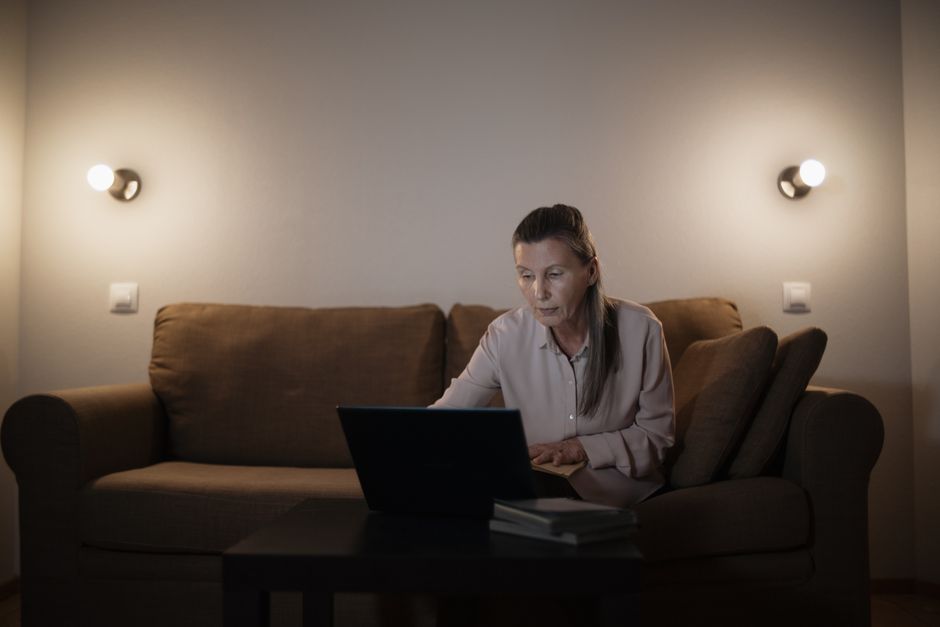
The most common mistake is treating cosiness as a shopping list. A room can contain rugs, candles and cushions yet still feel uncomfortable if the seating points away from one another or the lighting stays harsh. The fastest correction is usually subtraction: remove one oversized item, one competing pattern or one source of glare.
Why does the room still feel cold?
Check the colour temperature of the bulbs, the bare floor around the seating and the window treatment. Cool bulbs can flatten warm paint, while an uncovered hard floor reflects sound and makes the room feel spare. Add warmth at the seating zone first rather than covering the entire floor.
Why does the room feel crowded?
Measure the furniture before moving it. A chair that fits on paper may still block a door swing or leave no space beside the sofa. Keep large pieces on the room’s perimeter and reserve the centre for movement. If the room has many small accessories, group them into one or two clear displays instead of scattering them across every surface.
What should be removed first?
Remove anything that blocks a path, hides useful daylight or creates glare. Then remove duplicate textures, such as several fluffy throws with no contrast. This is not legal advice — consult a licensed attorney. The design verdict remains practical: a clear route, warm light and one convincing texture will usually do more than a pile of seasonal decorations.
Should you paint, add a rug or buy one chair first?
Start with the problem that affects daily use. If the room works well but looks flat after dark, add layered lighting. If people avoid sitting there because the floor feels hard or the sofa looks bare, add a correctly sized rug or throw. If the room lacks a place to read, talk or sit away from the television, buy one chair. Paint comes first only when the wall colour makes the entire room feel stark in winter light.
Choose paint when the backdrop is the problem
Warm neutrals and muted greens can soften blue daylight, but the finish and preparation matter as much as the colour. Sample the paint on two walls and view it in morning, afternoon and lamplight. Little Greene Horizon is a strong choice for a room that needs a gentle sage tone; its Absolute Matt Emulsion is listed at £60 for 2.5L. Do not choose it simply because green is popular. Choose it when the existing floor, sofa and wood tones support it.
Choose a rug when the room lacks a centre
A rug should connect the sofa, table and chairs into one group. If only the coffee table sits on a small rug, the arrangement can look fragmented. Select the largest size that leaves a sensible border around the room and does not catch doors. Wool is the best premium choice for texture and resilience; washable cotton is the better practical choice for pets, children or frequent spills.
Choose one chair when the room lacks a destination
One well-placed chair can create a reading corner faster than a complete furniture change. The IKEA POÄNG is a clear budget winner for that job because its high back supports the neck and its 56cm seat width remains usable without dominating a medium-sized room. Pair it with a small lamp and a side table, then stop. The final comparison is straightforward.
| Room problem | Best first move | Why |
|---|---|---|
| Harsh evening light | Add a low, warm lamp | Improves the room every night |
| Bare floor and scattered seating | Add a correctly sized rug | Creates one comfortable zone |
| No quiet place to read | Add one armchair | Gives the room a clear destination |
| Stark wall colour | Test a warmer paint shade | Changes the background without replacing furniture |