
You walk into the living room on a Saturday morning, the sunlight streaming through the windows, highlighting the perfect satin finish of your Sherwin Williams ‘Agreeable Gray’ walls. It looks like a magazine cover. Then, you see it: a tumbleweed of Golden Retriever fur rolling across the hardwood, and a faint, unmistakable scent of “wet dog” lingering in the air despite the windows being cracked. This is the reality of the multi-pet household. We love them, but their dander, hair, and biological odors are constant adversaries to a clean, healthy home environment. When you have a large, open-concept space, a small desk-sized purifier is about as effective as using a squirt gun to put out a bonfire. You need something with serious throughput.
Choosing the right machine involves more than just looking at a box that says “HEPA.” It requires understanding the volume of your room and the specific biology of your pets. A Great Dane produces a different level of particulate matter than two Siamese cats. Over the last few months, I have been looking into the technical specifications of high-capacity units to see which ones actually survive a week in a house with three dogs and a teenager. The goal isn’t just to move air; it is to scrub it clean enough that your home feels as fresh as it looks after a professional paint job.
How to Evaluate Air Purifier Specs for Large Multi-Pet Spaces
The first metric you must understand is CADR, or Clean Air Delivery Rate. This number tells you exactly how much air the machine can clean in one minute for specific pollutants like smoke, dust, and pollen. For a large room—typically defined as anything over 400 square feet—you want a CADR of at least 250 for each category. If you have an open-plan living area that flows into a kitchen, totaling 800 square feet, you are looking for a machine that can cycle that entire volume of air at least 4.8 times per hour. This is known as ACH (Air Changes per Hour). For pet owners, 2 ACH is the bare minimum, but 5 ACH is the gold standard for actually reducing allergy symptoms.
Next, we have to talk about the filter stack. A standard HEPA filter is designed to capture 99.97% of particles down to 0.3 microns. That covers dander and most allergens. However, pets bring two other problems: heavy fur and odors. This is where a robust pre-filter becomes your best friend. Without a mesh pre-filter that you can vacuum or rinse, your expensive HEPA filter will be clogged with fur in three weeks. Furthermore, to tackle the smell of a litter box or a dog bed, you need a substantial amount of activated carbon. Many budget “pet” purifiers use a thin carbon-coated sponge which is virtually useless. Look for units that use pelletized carbon; these have the surface area required to actually adsorb volatile organic compounds (VOCs) and biological odors.
Finally, consider the placement. In a large room, the machine needs 360-degree intake or dual-sided suction to be effective. If you tuck a single-intake machine against a wall, you’re cutting its efficiency by nearly 40%. This creates a design dilemma. These machines are often bulky and industrial-looking. As we discuss later, matching these devices to your interior design—specifically your Sherwin Williams color palette—is the only way to ensure the machine doesn’t become an eyesore in your carefully curated space.
Top-Rated Air Purifiers for Pet Dander and Large Open Floor Plans
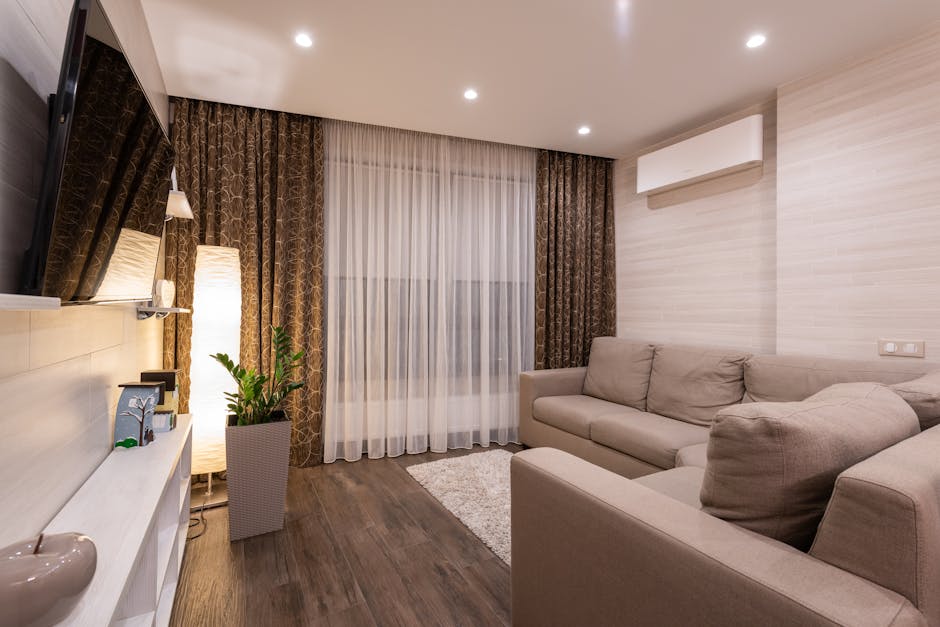
When we look at the current market, three or four models consistently rise to the top for large-scale performance. The Coway Airmega 400S is arguably the heavy hitter in this category. Priced at approximately $450, it features a dual-suction design that pulls air from two sides simultaneously. It is rated for rooms up to 1,560 square feet. The “S” version includes smart features, allowing you to monitor air quality from your phone, which is surprisingly satisfying when you see the sensor spike while you’re brushing the dog nearby.
- Pros: Massive airflow, very quiet on lower settings, high-quality washable pre-filters.
- Cons: Replacement filters are expensive (around $130 per set), and the unit has a large footprint.
For those who prefer a more minimalist aesthetic, the Blueair Blue Pure 211i Max is a strong contender. It retails for about $350 and uses Blueair’s proprietary HEPASilent technology. It’s designed for rooms up to 635 square feet (based on 5 ACH). What makes this one stand out for pet owners is the fabric pre-filter that wraps around the outside. You can buy these in various colors to match your decor, and they catch the big clumps of fur before they ever touch the internal mechanics.
| Model | Max Square Footage | Filter Type | Approx. Price |
|---|---|---|---|
| Coway Airmega 400S | 1,560 sq ft | True HEPA + Carbon | $450 |
| Blueair 211i Max | 635 sq ft | HEPASilent | $350 |
| Levoit Core 600S | 635 sq ft | H13 True HEPA | $300 |
| Alen BreatheSmart 75i | 1,300 sq ft | True HEPA (Customizable) | $750 |
If budget is a primary concern, the Levoit Core 600S offers incredible value at roughly $300. It covers about 600 square feet comfortably and features a very sensitive laser dust sensor. The downside is that the carbon filter is a bit thinner than the Coway, meaning it might struggle more with heavy odors if you have multiple large dogs. However, for dander and dust, it is remarkably efficient and integrates perfectly with smart home setups.
The Alen BreatheSmart 75i is the premium choice for those who want a lifetime warranty. It is expensive, but it is the only machine on this list that allows you to swap out the front panel for different textures, including wood grains and metallic finishes, making it the most “designer-friendly” option.
The Intersection of Air Quality and Sherwin Williams Home Aesthetics
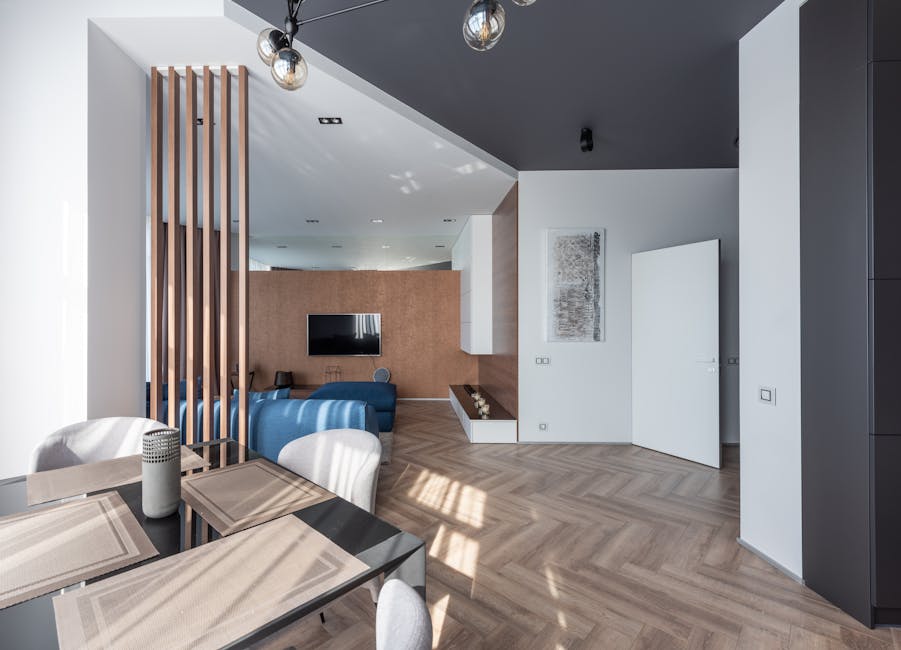
We often treat air purifiers as appliances that should be hidden, but in a large room, they have to be central to work. This means they interact with your wall colors and furniture. If you’ve invested in a high-end Sherwin Williams paint job, like the deep, moody ‘Urban Bronze’ (SW 7048) or the classic ‘Alabaster’ (SW 6241), a cheap-looking plastic box can ruin the vibe. The trick is to treat the air purifier as a piece of functional sculpture.
For rooms painted in cool neutrals like Sherwin Williams ‘Silver Strand’ or ‘Sea Salt,’ the white and grey finishes of the Coway or Levoit units blend seamlessly. They disappear against the light-reflecting surfaces. However, if you are working with a more dramatic palette—perhaps a dining room in ‘Naval’ (SW 6244)—the stark white plastic of a Blueair might look jarring. In these cases, the Alen BreatheSmart 75i is superior because you can choose a graphite or custom-painted panel that complements the wall rather than clashing with it. Some users have even carefully used Sherwin Williams Emerald Urethane Trim Enamel to paint the outer shells of their purifiers (taking care not to block the vents, of course) to achieve a perfect color match.
Beyond the visual, there is a functional relationship between your paint and your air purifier. Pets don’t just shed hair; they produce skin oils that can aerosolize and settle on your walls. Over time, these oils can cause yellowing or attract dust that dulls your paint’s finish. A high-capacity air purifier acts as a protective layer for your home’s interior design. By capturing these particulates before they land on your Sherwin Williams ‘Emerald’ washable flat finish, you are extending the life of your paint job and reducing the frequency of deep-cleaning your walls. It’s a symbiotic relationship: the paint provides the beauty, and the purifier provides the preservation.
Maintenance and Long-Term Costs for High-Capacity Pet Purifiers
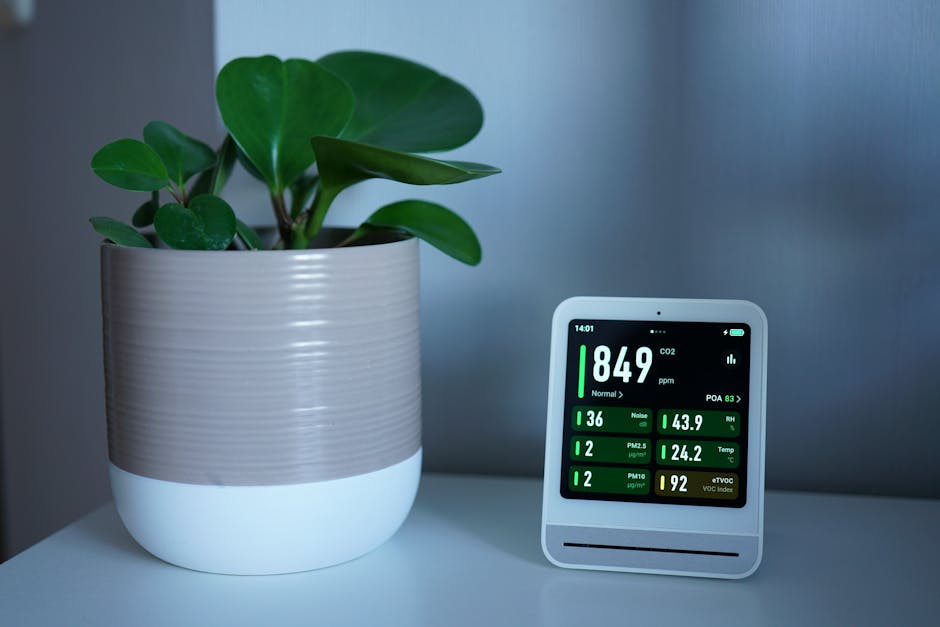
Owning a large-room air purifier is a bit like owning a car; the purchase price is only the beginning. For pet owners, the maintenance schedule is accelerated. Most manufacturers suggest changing filters every 6 to 12 months, but with two shedding dogs, you should expect to look at that 6-month window as a hard deadline. A clogged filter doesn’t just stop cleaning the air; it puts strain on the motor, which can lead to premature failure and increased energy consumption.
One of the most overlooked costs is electricity. These machines need to run 24/7 to be effective in large spaces. Look for the Energy Star rating. A machine like the Coway Airmega 400S is quite efficient, drawing about 64 watts on its highest setting. If you run that 24/7, you’re looking at a few dollars a month on your utility bill. However, older or less efficient models can draw significantly more, adding up over a year. It is always worth paying a bit more upfront for a DC motor (found in the Blueair and Alen models) which is generally quieter and more energy-efficient than AC motors found in cheaper units.
- Vacuum the pre-filter weekly: This is the single best thing you can do. Use your vacuum’s brush attachment to remove the layer of fur from the intake. This keeps the airflow high and protects the expensive HEPA filter.
- Check the sensor lens: Most smart purifiers have a small door on the side covering a laser sensor. If this gets dusty, the machine will think your air is dirty and run on “High” indefinitely. Wipe it with a cotton swab every two months.
- Wipe down the exterior: Use a microfiber cloth to keep the intake grilles clear. If you have your walls painted in a high-quality Sherwin Williams finish, you’ll notice less dust on the walls near the purifier, but the machine itself will become a dust magnet.
- Plan for filter sales: Brands like Coway and Blueair often have 20% off sales during Black Friday or Prime Day. Buy your annual supply then to offset the high cost of pet-related filter wear.
Ultimately, the best air purifier for your large room is the one that you can afford to maintain. There is no point in buying a $700 Alen if you can’t afford the $100 filter replacement next year. If you’re also looking to refresh your space, consider how these machines fit into your overall home decor. Using high-quality home goods from ShareASale partners—like washable area rugs that don’t trap dander—combined with a top-tier purifier and a fresh coat of Sherwin Williams paint, creates a home that is both beautiful and breathable. It’s about creating a sanctuary where you and your pets can coexist without the constant battle against allergens. You don’t have to choose between a stylish home and a pet-friendly one; you just need the right tools to manage the invisible side of pet ownership.