
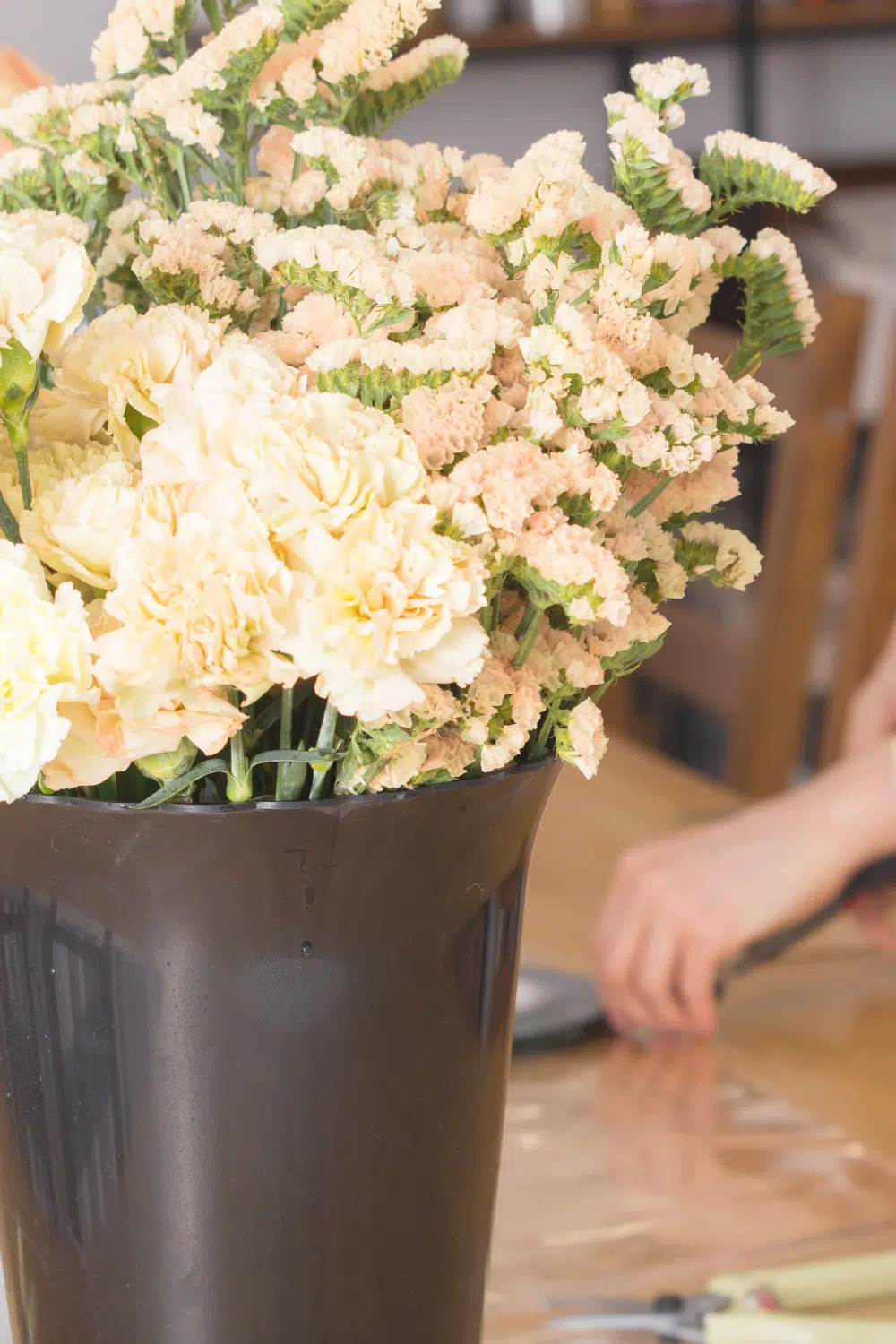
Your cat knocked over the vase. The flowers are on the floor. You’re Googling “are exotic flowers toxic to cats” at midnight while your tabby stares at you like nothing happened.
That scenario plays out in thousands of homes every year. Most of us have no idea what we’re actually buying when we grab a “tropical mix” bouquet or impulse-order seeds online. A flower can be breathtakingly rare and dangerously toxic at the same time. Some of the world’s most exotic species are completely harmless. Others will send you to the emergency vet at 2 a.m.
These five flowers are chosen based on genuine rarity — not just visual drama. Each one comes with practical facts about where to find it, what makes it biologically strange, and whether it belongs anywhere near your dog, cat, or kids. The solution to the “what is this plant?” panic is knowing before you buy, not after.
Why Most “Exotic Flower” Lists Aren’t Actually Useful
Most flower content pulls the same five species from Wikipedia and skips everything that matters: where to actually see them, what makes them biologically unusual, and whether they create any risk at home. Every flower below is chosen based on documented rarity — bloom frequency, wild population status, or reproductive complexity — and each entry covers what a family actually needs to know.
The 5 Exotic Flowers at a Glance
Before the deep dives, here’s how these five compare across the dimensions that matter most for families with children or pets:
| Flower | Origin | Bloom Frequency | ASPCA Toxicity (Cats/Dogs) | Can You Grow It at Home? |
|---|---|---|---|---|
| Corpse Flower (Amorphophallus titanum) | Sumatra, Indonesia | Every 7–10 years | Non-toxic (corm contains oxalates) | No — requires tropical greenhouse |
| Jade Vine (Strongylodon macrobotrys) | Philippines | Annual with right conditions | Not formally classified — use caution | Yes, USDA zones 10–12 only |
| Black Bat Flower (Tacca chantrieri) | Southeast Asia | Spring through summer | Low risk; may cause mild GI upset | Yes — works as a humidity-loving houseplant |
| Parrot’s Beak (Lotus berthelotii) | Canary Islands (extinct in wild) | Spring | Not formally classified — mild risk | Yes — pots or hanging baskets |
| Ghost Orchid (Dendrophylax lindenii) | Florida and Cuba | Summer, unpredictable | Non-toxic | No — parasitic root system, federally protected |
One important note on the toxicity column: “not formally classified” does not mean safe. It means no formal veterinary toxicology study exists for that species. The ASPCA Animal Poison Control Center at aspca.org/pet-care/animal-poison-control is the most reliable US resource. When a plant isn’t listed, treat it as an unknown risk and keep it out of reach.
Corpse Flower: The Bloom That Takes a Decade to Happen
What makes it genuinely exotic
The Corpse Flower (Amorphophallus titanum) holds the record for the world’s largest unbranched inflorescence — the flowering structure grows over 3 meters tall and can weigh more than the average 10-year-old. That alone would make it remarkable. But what makes it truly strange is the wait: the plant spends 7 to 10 years storing energy underground in a massive corm, similar to a potato but up to 50 kilograms in weight, before producing a single bloom. That bloom lasts 24 to 48 hours. Then it collapses.
During those 48 hours, the flower heats itself to approximately 98°F (37°C) — human body temperature — to volatilize the compounds that create its famous rotting-flesh smell. The scent mimics a dead animal to attract carrion beetles and flesh flies, which crawl inside the spathe and transfer pollen. This thermogenic process burns stored sugars at a rate comparable to a small mammal. The whole system is one of the most complex reproductive strategies in the plant kingdom, and the plant evolved it independently of any other species.
Where to see one without flying to Sumatra
You don’t need a plane ticket. Several botanical gardens cultivate A. titanum, and when one blooms, it becomes a major public event. The Chicago Botanic Garden has documented blooms in 2015, 2016, and 2026 — they post social media alerts when a bloom is coming, usually with 24 to 48 hours’ notice. The United States Botanic Garden in Washington D.C. has had multiple blooms over the past decade and is free to enter. The Kew Royal Botanic Gardens in London (£22 adult day ticket, or £95 annual membership) bloomed their specimen in 2026.
These events draw crowds of thousands. Families with kids find them memorable — partly because the smell is genuinely alarming in person (staff describe it as “garbage meets dirty socks”), and partly because the flower’s scale is impossible to appreciate in photos. A child standing next to a 10-foot bloom with the spathe fully open understands immediately why this plant is different from anything else on earth.
Pet safety verdict
The ASPCA does not list Amorphophallus titanum as toxic to cats or dogs. The corm contains calcium oxalate crystals — the same compound found in philodendrons — which can cause mouth and throat irritation if chewed. Since this isn’t a plant you’ll ever have at home, the practical household risk is effectively zero.
Jade Vine and Black Bat Flower: Two That Families Can Actually Grow
Unlike the Corpse Flower or the Ghost Orchid, these two species are accessible to home growers. Here’s what growing either one actually involves, including the failure mode most buyers hit:
- Jade Vine (Strongylodon macrobotrys) growing basics: Native to Philippine rainforests, the Jade Vine produces cascading clusters of turquoise-blue flowers that look biologically improbable — a pigment combination that doesn’t exist in most flowering plants. It needs full sun, high humidity, and USDA hardiness zones 10–12 (South Florida, Hawaii, or a heated greenhouse). Buy a live plant from Logee’s Tropical Plants (logees.com), which ships nationally starting around $28–$42. It will not survive frost, even briefly. One cold night ends it.
- Black Bat Flower (Tacca chantrieri) growing basics: The Black Bat Flower earned its name. The dark purple-black flowers carry long bracteoles — “whiskers” — extending up to 12 inches, and wing-shaped bracts that look exactly like a bat in flight. It grows well as a houseplant in high humidity, making it a fit for a bright bathroom or a large terrarium. Steve’s Leaves (stevesleaves.com) carries starter plants in the $15–$35 range. Water it consistently; it does not tolerate drought or dry air.
- The failure mode most buyers hit: Both plants need 60–80% ambient humidity. Standard home humidity (30–40%) is too dry. Leaves brown at the edges within weeks, and most buyers blame the plant rather than the conditions. A $25–$35 ultrasonic humidifier from Levoit or Honeywell placed nearby solves the problem. Skip this step and you’ll lose the plant within a month regardless of watering habits.
- Pet note for the Bat Flower: Tacca chantrieri is not on the ASPCA’s toxic plant list, but clinical data is limited. A dog chewing the leaves could experience mild gastrointestinal upset. Keep it elevated or in a room the pet doesn’t access freely — standard precaution for any unclassified tropical plant.
Parrot’s Beak and Ghost Orchid: The Two You’ll Never Buy at a Nursery
Is the Parrot’s Beak actually extinct in the wild?
Yes. Lotus berthelotii, the Parrot’s Beak flower, is classified as extinct in the wild across the Canary Islands. Its natural pollinator — believed to be a species of sunbird that no longer exists in the region — disappeared before botanists could fully document the relationship. Without the pollinator, seed production stopped. The plant now survives entirely through vegetative propagation in cultivation.
You can still buy cultivated specimens. Select Seeds (selectseeds.com) and Annie’s Annuals (anniesannuals.com) both stock Lotus berthelotii, and it makes a striking hanging basket plant with narrow, claw-shaped flowers in red-orange. It tolerates mild drought, blooms in spring, and works well in a container on a patio or deck. It’s one of the most visually dramatic plants that’s also genuinely manageable for beginners.
Why the Ghost Orchid is impossible to grow at home
The Ghost Orchid (Dendrophylax lindenii) has no leaves. It photosynthesizes entirely through its green roots, which cling to the bark of specific trees in the swamps of South Florida and Cuba. No soil. No pot. No terrarium will replicate it. Its roots require the exact bark chemistry of pond apple and pop ash trees, and its pollination depends entirely on the Giant Sphinx Moth, which can hover at precisely the right depth to reach the flower’s nectar spur — sometimes up to 14 centimeters long.
Removing a Ghost Orchid from the wild is a federal crime under the Endangered Species Act. Even institutions with multi-million-dollar botanical facilities have struggled to keep them alive outside their native habitat. The specimen featured in Susan Orlean’s book The Orchid Thief — and the 2002 Charlie Kaufman film Adaptation — grows in the Fakahatchee Strand Preserve State Park in Copeland, Florida, where rangers track individual plants by GPS coordinates.
Where to see a Ghost Orchid in bloom
Fakahatchee Strand Preserve State Park offers guided swamp walks during bloom season (typically July through August). Walks cost approximately $35 per person, require advance booking through the park’s website, and sell out weeks ahead. Seeing a Ghost Orchid in its natural habitat is rare even for working botanists — most spend careers without encountering one in bloom.
The Single Best Way to See All Five Without Leaving the Country
Botanical gardens are the answer — not flower shops, not social media, not YouTube videos that cut away before you can appreciate the actual scale of these plants. A good botanical garden puts rare specimens within arm’s reach of your kids in a controlled setting, and the staff can answer questions that no article can.
The New York Botanical Garden (NYBG) in the Bronx is the strongest option in the US. Adult admission is $35; children under 2 enter free. The Enid A. Haupt Conservatory — a Victorian-era glasshouse — maintains a tropical wing year-round with rotating rare plant exhibitions. NYBG’s children’s education programs let kids handle specimens safely, which changes the experience completely compared to looking through glass.
For families in or near Washington D.C.: the Smithsonian Gardens are free, and the connected US Botanic Garden is also free and maintains a Jungle room with tropical rarities including orchids and aroids year-round.
For UK families: Kew Royal Botanic Gardens in Richmond remains the best single option in Europe. The £95 annual adult membership covers unlimited visits and priority notification for events like Corpse Flower blooms. If you’re only visiting once, the £22 day ticket is worthwhile — the glasshouse collections alone justify the trip.
Pet Safety Around Exotic Tropical Flowers: What You Actually Need to Know
- Orchids are generally safe. Most orchids — including the common grocery-store Phalaenopsis and the wild Ghost Orchid — are non-toxic to cats and dogs. The ASPCA explicitly lists the Orchidaceae family as non-toxic. A cat chewing an orchid leaf may vomit from the plant material, but it will not experience organ damage. This is the one category of “exotic” flower where you can relax.
- Anything labeled “tropical mix” at a florist may contain toxic species. Common culprits hidden in bouquets: lilies (highly toxic to cats — even pollen on fur is dangerous), bird of paradise (Strelitzia, mildly toxic to dogs and cats), and certain bromeliad varieties. Ask the florist for an ingredient list. If they can’t provide one, assume there’s a risk and keep the arrangement out of reach.
- The ASPCA 24-hour Animal Poison Control Hotline is (888) 426-4435. There’s a $95 consultation fee, but the line is staffed by veterinary toxicologists, not general staff. If your pet chews an unknown plant, call before driving to the emergency vet — they can tell you whether the trip is actually necessary, which can save you $300–$500 in after-hours emergency fees on a non-emergency situation.
When buying cut flowers for the house, ask specifically for arrangements built around roses, sunflowers, or gerbera daisies — all ASPCA non-toxic and widely available. If you want something more unusual, freesias and anthuriums are also on the safe list. Neither Teleflora nor 1-800-Flowers offers a pet-safety filter at checkout, so that research falls entirely on you before you order.
For outdoor garden beds, keep a printed copy of the ASPCA toxic plant list in your garden shed. It covers over 1,000 species, it’s free to download from their website, and it’s the fastest way to answer the midnight question before it becomes a midnight emergency. Of the five flowers in this guide, the Parrot’s Beak is the strongest choice for a family with pets: genuinely exotic, visually dramatic, extinct in the wild, manageable in a container, and carrying the lowest documented risk of the group.


Leave a Reply