
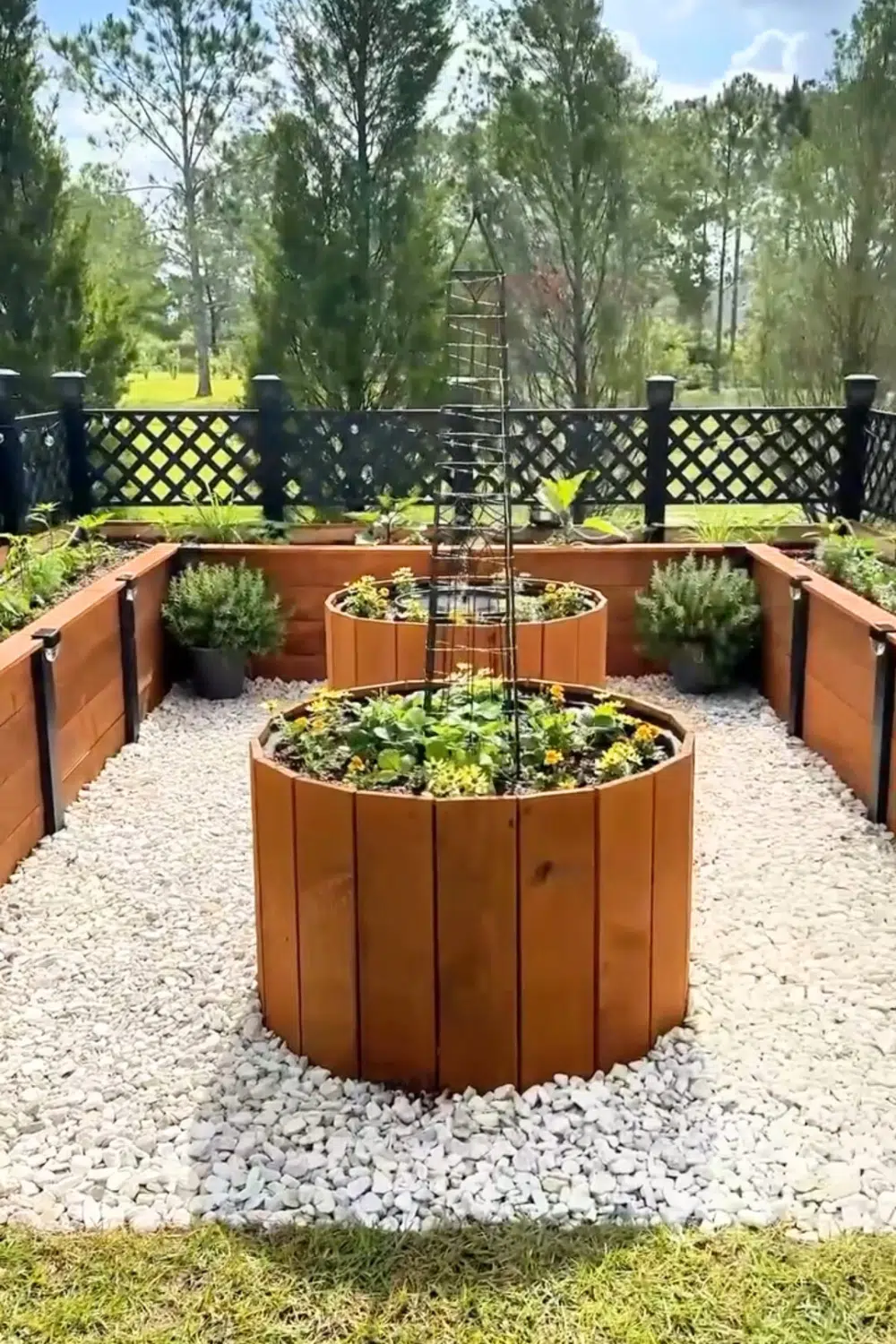
Spring makes families optimistic. The lawn looks greener, the patio doors stay open longer, and weekend plans suddenly move outside. Before the first picnic blanket, soccer drill, or scavenger hunt, it is worth giving the yard a reset. Winter leaves behind compacted soil, damp debris, weakened grass, and hidden pest pressure. A thoughtful spring routine helps turn the lawn back into a comfortable play surface.
Walk the yard at child height
Adults tend to scan a yard from the patio and decide it looks fine. Children experience it differently. They sit in the grass, reach into borders for lost balls, crawl under shrubs during games, and leave toys exactly where moisture collects. Walk slowly and look for low branches, sharp edging, loose stones, uneven pavers, soggy corners, and hidden debris.
Then check the grass itself. Bare patches can turn muddy, long grass can hide insects, and dense thatch can hold moisture. A basic spring cut, raking, and reseeding plan can make the lawn more usable before summer activity peaks. If the yard gets heavy foot traffic, define a path or game zone so the same fragile areas are not trampled every weekend.
Handle pests before the calendar gets crowded
Spring is a smart time to identify problems while they are still manageable. Ants near the patio, mosquitoes around drainage, fleas in pet rest areas, and ticks near tall edges all require different thinking. Guessing usually leads to wasted time. Identify the pest, locate the source, and choose a treatment that fits the site.
For families comparing lawn and perimeter products, application tools, or pest identification resources, DoMyOwn can be useful because it organizes supplies around the specific issue you are trying to solve. Always read labels before buying and again before applying. Pay attention to weather, mixing directions, protective gear, storage, and the time required before children or pets can return to the area.
Set up the play surface like a room
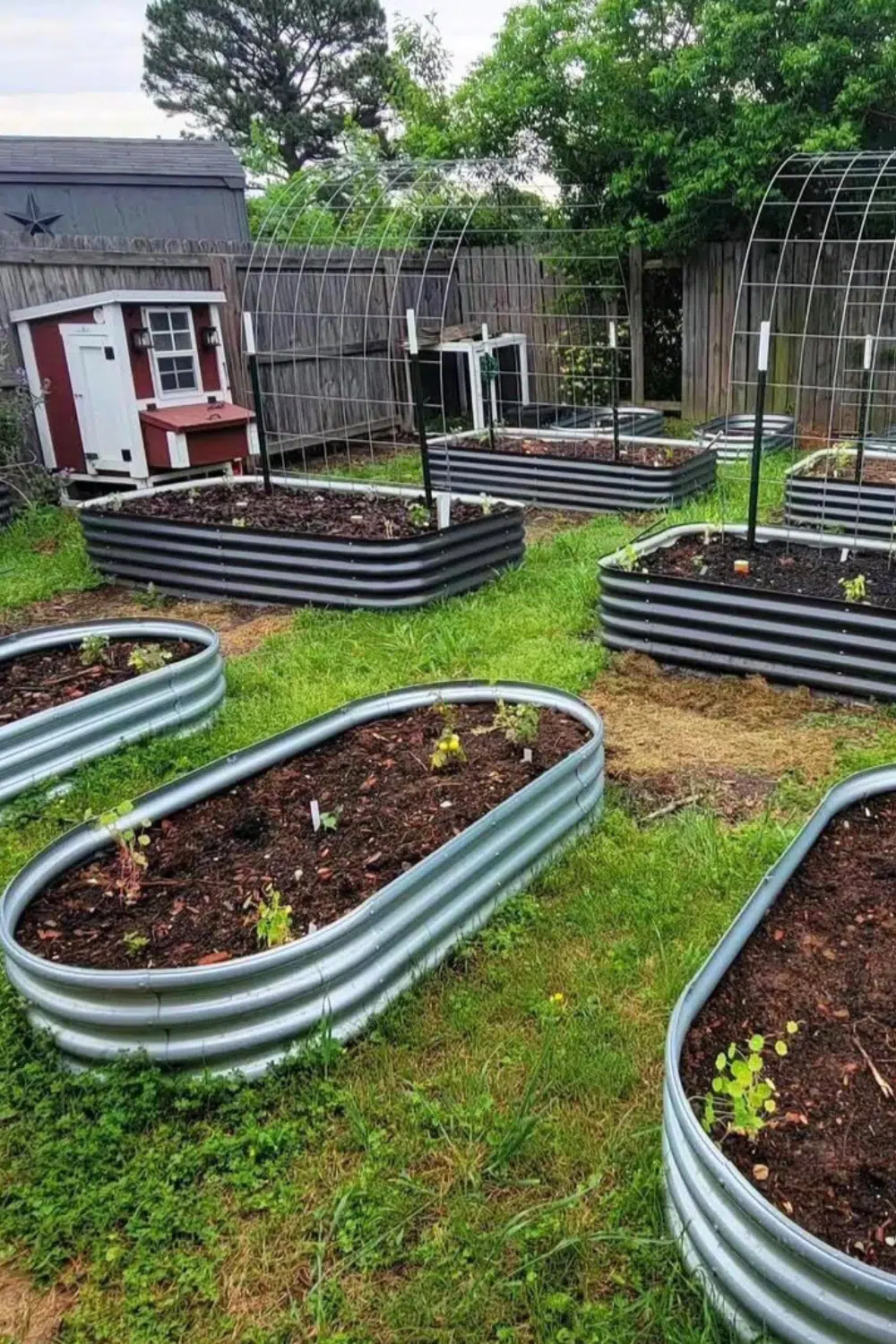
Think of the lawn as an outdoor family room. It needs circulation, storage, seating, shade, and a clear purpose. Keep active games away from grills and garden beds. Place picnic blankets where the ground is dry and level. Store balls, chalk, bubbles, and rackets in a bin that closes completely. If a game requires running, remove small planters, hoses, and loose decor from the route before children start playing.
- Create one open zone for movement-heavy games.
- Use a separate shaded zone for snacks, younger children, and grandparents.
- Keep garden tools, fertilizers, and pest products locked away from toys.
- Check irrigation timing so the lawn is not wet during planned play.
- Make cleanup part of the game: everyone carries in one item before dessert.
Do less, but do it consistently
A family lawn does not need perfection. It needs predictable care. Ten minutes every few days can prevent the big weekend mess: empty water, collect toys, scan for insects, pull obvious weeds, and check that gates latch properly. When the yard is reset early in spring, maintenance becomes lighter and outdoor play becomes more spontaneous.
The result is a lawn that supports real family life. Children can move, adults can relax, pets can be included thoughtfully, and the yard can handle games without feeling chaotic. Spring gives you the chance to build that rhythm before warm-weather weekends fill the calendar.


Leave a Reply