
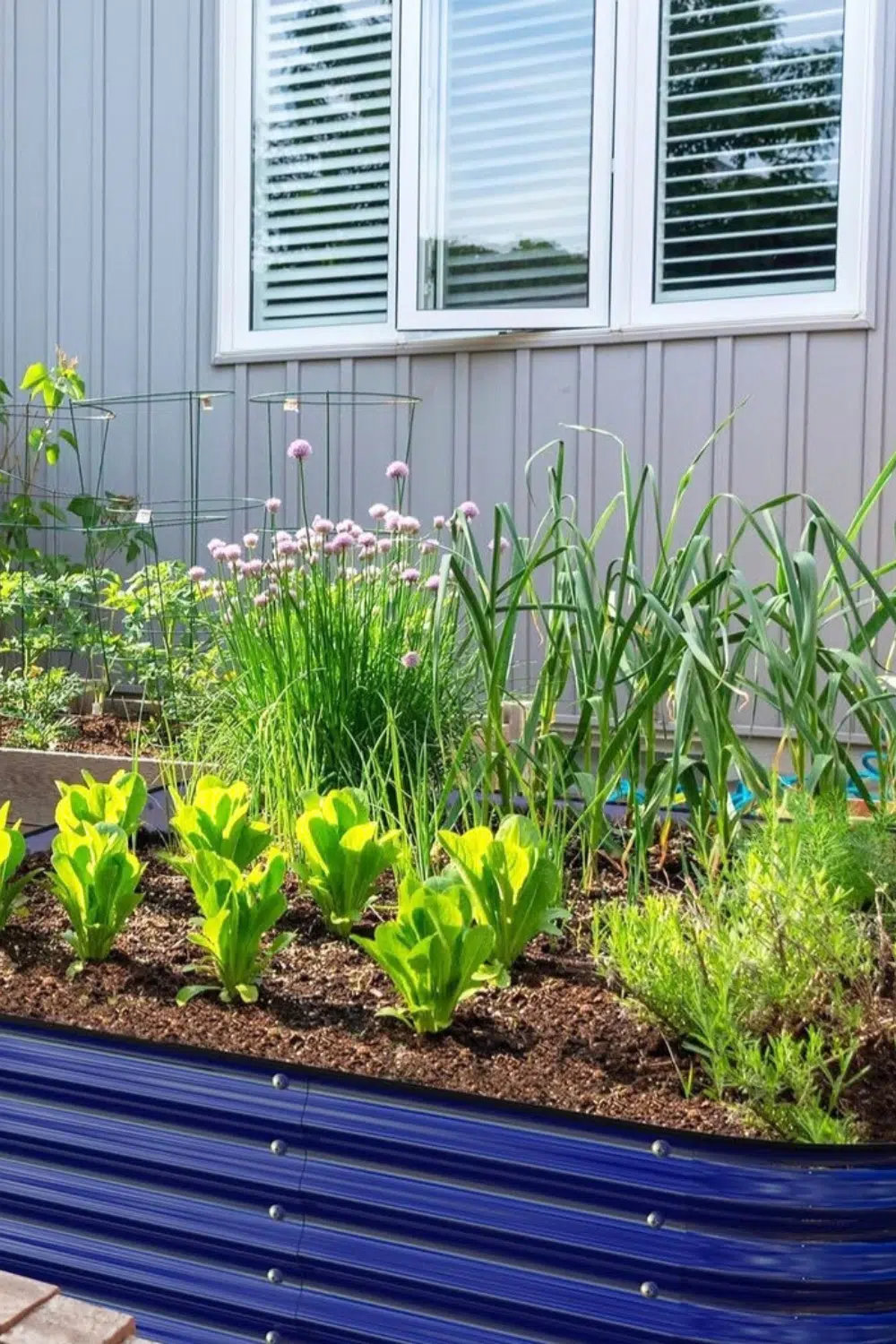
Flea and tick season is not only a pet problem. It affects the whole rhythm of family life: where children roll in the grass, where the dog naps after fetch, where blankets are spread for lunch, and how confidently everyone moves between the house and the yard. A good seasonal plan is less about panic and more about habits. When the yard is inspected in zones, maintained on schedule, and supported with the right supplies, outdoor play feels much easier to enjoy.
Map the family traffic zones
Start by marking the places people and pets use every day. Most homes have a few predictable zones: the route from the back door to the lawn, the shaded corner where the dog rests, the strip along the fence, the playset landing area, and the garden path children cut through even when there is a better route. These are the spots that need the most consistent attention.
Ticks often wait in tall grass, brush, leaf litter, and transition areas where lawn meets shrubs or wooded edges. Fleas can become persistent where pets sleep, rest, and pass through repeatedly. Keep grass trimmed, rake leaves away from play areas, and avoid letting outdoor toys sit in damp shaded spots for days. A tidy yard is not just prettier; it is easier to inspect.
Create a weekly inspection habit
- Walk the fence line and look for overgrown grass, weeds, and damp debris.
- Shake out outdoor blankets and cushions before storing them.
- Move play tunnels, balls, and ride-on toys so the grass beneath them can dry.
- Check pet bedding, crates, and shaded porch corners for signs of activity.
- Keep wildlife attractants, spilled birdseed, and open trash away from play zones.
When you need help choosing yard treatments, flea control, tick control, or application tools, DoMyOwn gives families a way to compare products by pest and location. Match the product to the actual area you plan to treat, then follow the label exactly. Children and pets should stay away from treated spaces until re-entry instructions on the label are satisfied.
Separate play, pets, and storage
One of the simplest family upgrades is to stop mixing everything together. Keep outdoor toys in a dry lidded bin, pet supplies in their own container, and lawn or pest-control products in a locked cabinet or high shelf. That separation helps prevent accidental handling and makes cleanup faster after a busy weekend.
If you have pets, coordinate yard care with your veterinarian’s flea and tick prevention advice. Yard treatment can support a broader plan, but it should not replace pet-specific guidance. After outdoor play, especially near brush or tall grass, do quick tick checks on children and pets before everyone settles indoors. Make it a normal part of the routine, like washing hands after gardening.
Design the yard so maintenance is obvious
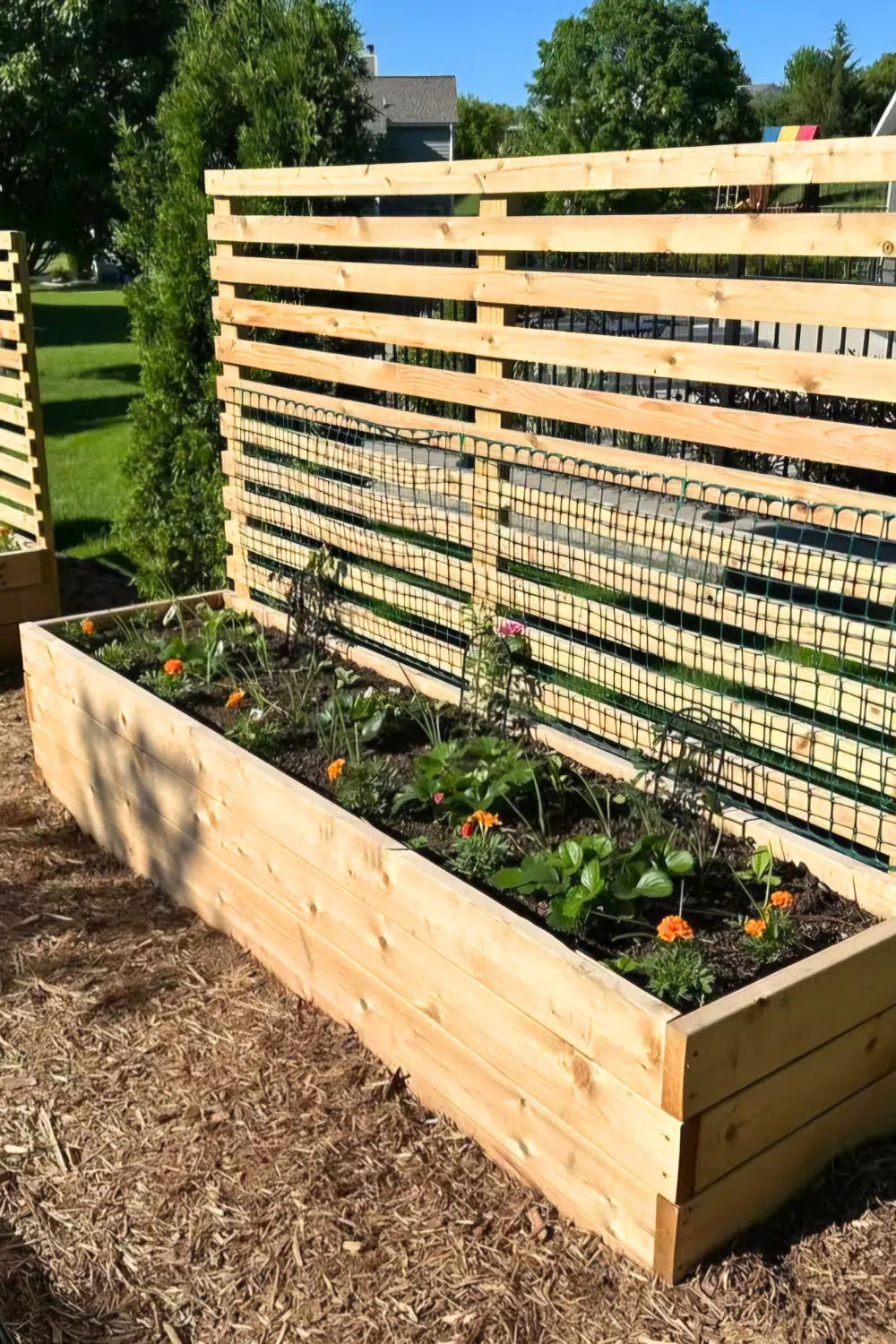
Families are more likely to maintain a yard when the boundaries are clear. Mulch paths, raised beds, stepping stones, and defined seating areas help everyone see where play belongs and where maintenance is needed. If a corner is too shaded and damp for regular use, turn it into a controlled planting area instead of letting toys migrate there.
The goal is not to make children afraid of grass. The goal is to give them a yard that has been thoughtfully prepared. With weekly checks, smart storage, pet-aware routines, and carefully selected supplies, flea and tick season becomes something your family manages instead of something that quietly takes over the backyard.


Leave a Reply