
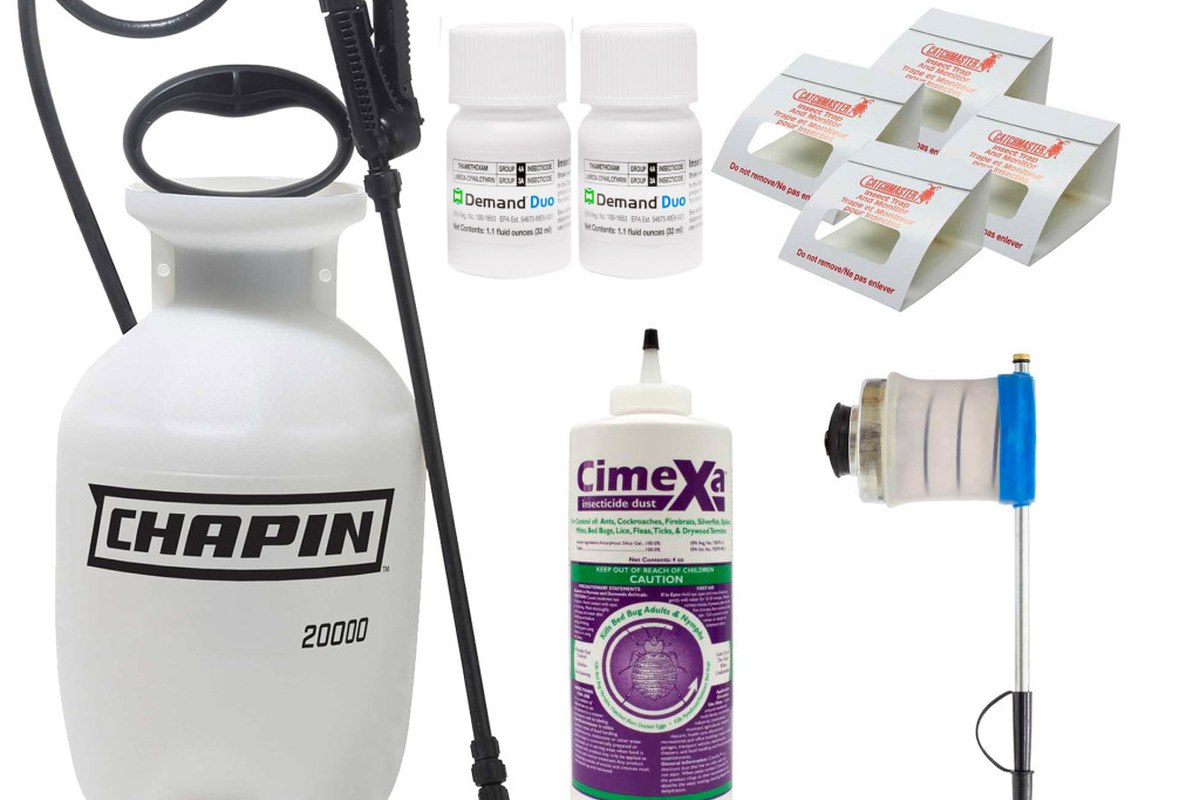
Family homes create crumbs, damp towels, open doors, craft supplies, pet bowls, porch lights, and forgotten snack wrappers in couch cushions. None of that means a house is dirty. It means the house is alive. The trouble starts when ants, roaches, flies, spiders, or other pests turn those normal family patterns into an ongoing problem.
DoMyOwn is useful for families because it lets you move from guessing to planning. Instead of buying whatever is closest at the store, you can look up the pest, compare treatment types, check equipment, read labels, and build a small routine that fits the actual room or entry point.
Map the house before treating it
Start with a notebook-level inspection. Where are pests being seen? What time of day? Near food, water, windows, doors, drains, plants, pet bowls, or exterior lights? A family pest plan should separate three zones: food areas, entry points, and play or relaxation areas. Each zone needs different habits, and sometimes different products.
The kitchen is mostly about sanitation and targeted control. Doorways and windows are about exclusion and perimeter habits. Playrooms and family rooms are about safety, storage, and keeping products away from children. Do not treat every room the same just because the worry feels the same.
Kitchen: wipe spills quickly, seal dry goods, clean under appliances, and avoid broad product use near food.
Entry points: inspect thresholds, weatherstripping, window screens, garage gaps, and pet-door edges.
Play areas: choose storage first, treatment second, and always follow label restrictions around children and pets.
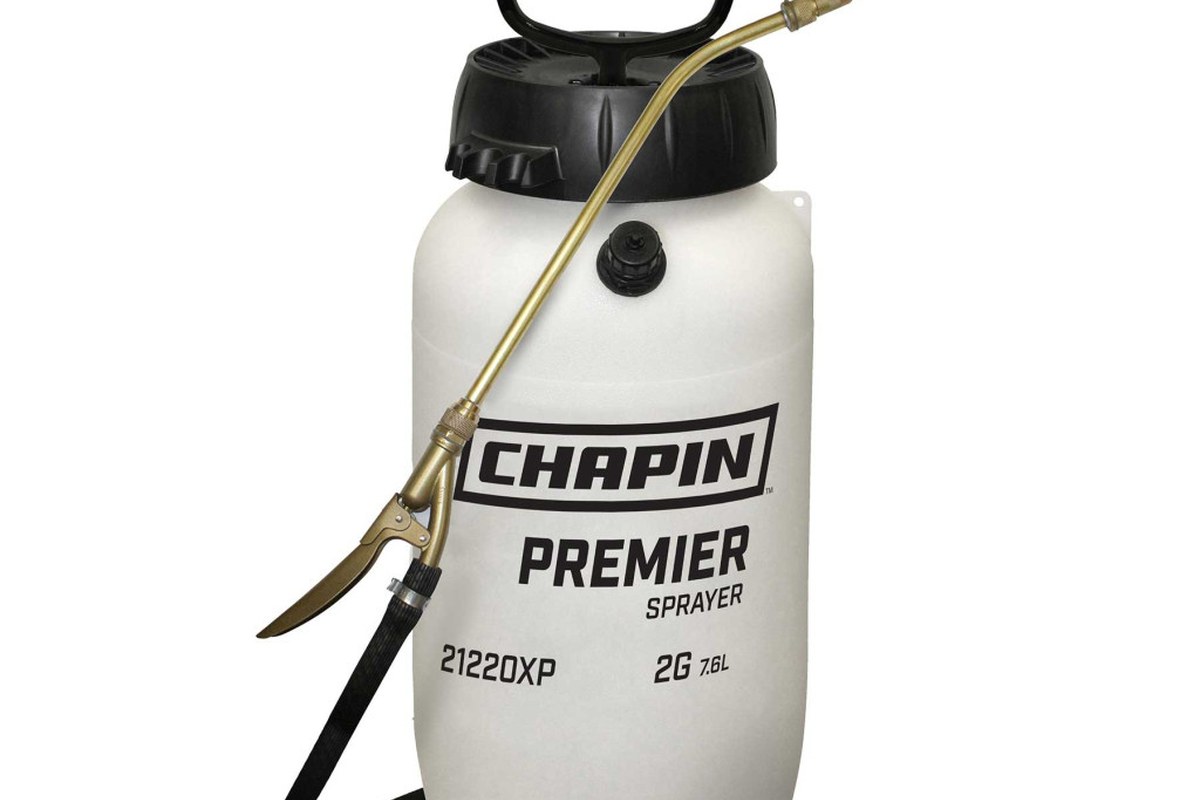
Use the right tool, not the most dramatic one
A sprayer, bait station, dust, aerosol, granule, or trap all solve different problems. DoMyOwn’s guides help narrow the choice, but the label is still the rule. Families should be especially careful about where products are placed, how long areas need to dry, and whether pets or children can access the treated zone.
For many homes, the most effective “treatment” starts before any product is opened: sealing a gap, fixing a leak, moving firewood away from the house, storing cereal properly, or cleaning under the dog bowl. Products work better when they are not fighting the same invitation every day.
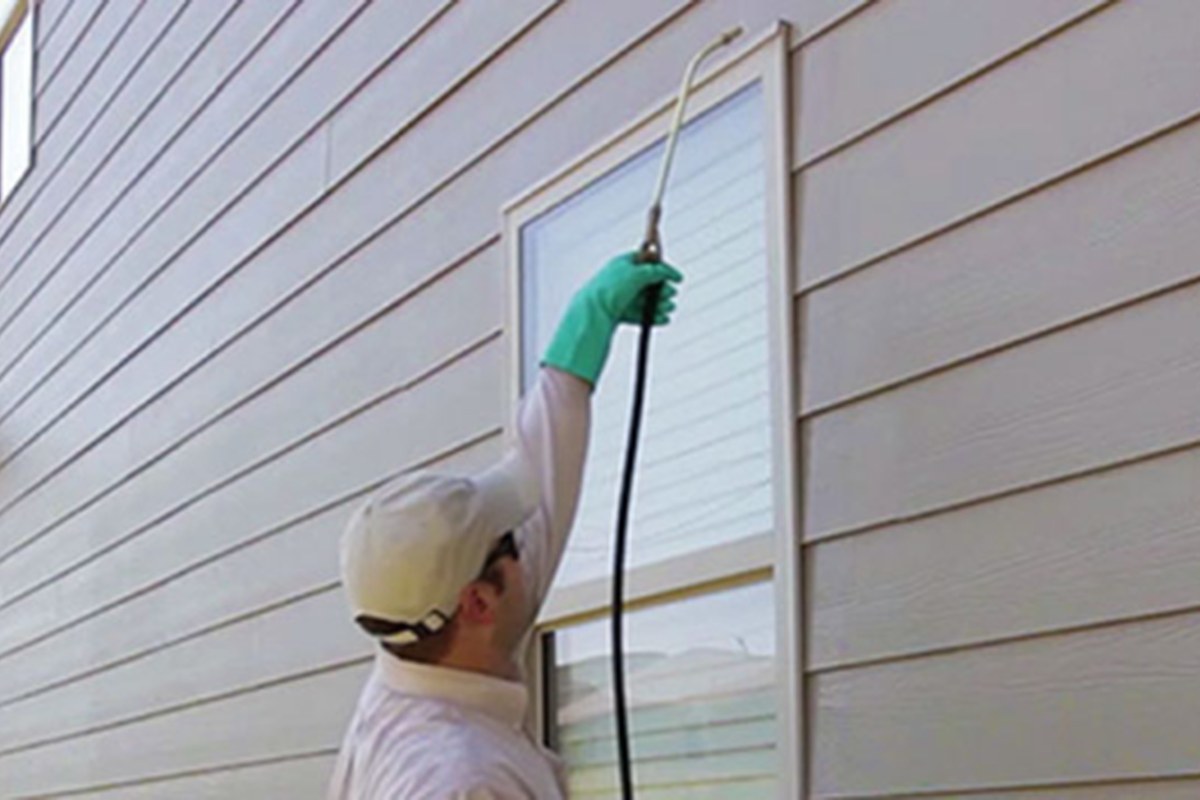
Make it seasonal
A family pest plan is easier when it follows the calendar. Spring is for checking screens and exterior gaps. Summer is for mosquitoes, flies, and outdoor play areas. Fall is for pests moving indoors. Winter is for storage, pantry checks, and planning repairs before warm weather returns.
That rhythm is what keeps pest control calm. DoMyOwn can supply products and information, but the real win is a household routine that prevents emergencies. Keep notes, buy only what matches the pest and location, and store everything safely. The point is not to turn the house into a project. The point is to keep family spaces comfortable enough that nobody has to think about pests during dinner, homework, or game night.