

Why the same paint cannot handle every room and wall
The biggest paint mistake starts with a simple misconception: interior and exterior paint differ mainly by color and sheen. They do not. Each formula solves a different problem. Interior paint must resist scuffs, fingerprints, cleaning, and indoor humidity. Exterior paint must stretch with siding, shed water, resist ultraviolet light, and survive repeated heating and cooling.
Interior walls need cleanability
Indoor walls stay relatively stable, so manufacturers can focus on smooth application, low odor, stain resistance, and color depth. Kitchens, hallways, children’s rooms, and stairwells need a tougher film than a quiet bedroom. Eggshell or satin usually gives the best balance. Flat paint hides dents and patched drywall, but it marks more easily and becomes difficult to clean after repeated rubbing.
Outdoor walls need movement and weather resistance
Sunlight and moisture attack exterior paint from opposite directions. Dark siding can become much hotter than the surrounding air, while rain enters tiny cracks around trim and joints. A good exterior coating stays flexible enough to move with the surface instead of cracking at every seam. That explains why leftover interior paint belongs inside, even if the color matches. It lacks the weather package that outdoor walls need.
Verdict: Choose paint by the surface’s main threat. For indoor walls, prioritize cleaning and touch-ups. For outdoor walls, prioritize flexibility, water resistance, and fade control. A higher price cannot rescue the wrong formula.
The home paint checklist that prevents expensive mistakes
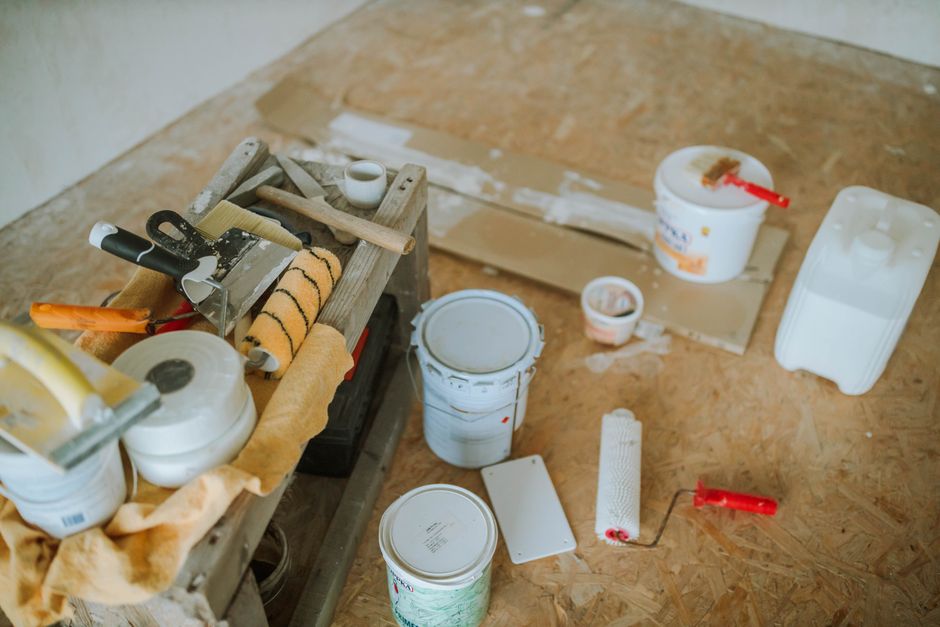
Use this short checklist before you buy a can. The strongest purchase decision comes from matching the paint to the surface, the damage it faces, and the time available for preparation.
- Identify the surface: drywall, plaster, wood siding, fiber cement, masonry, metal, or previously painted trim.
- Check the old finish: glossy walls need scuffing or bonding primer, while chalky exterior paint needs cleaning and stabilization.
- Measure the area: multiply wall length by wall height, subtract large doors and windows, then add 10 percent for waste and touch-ups.
- Pick the sheen after the use: flat hides defects, matte softens glare, eggshell handles normal traffic, satin cleans better, and semi-gloss suits trim and wet zones.
- Test the color in place: view a large sample in morning, afternoon, and artificial light. Small cards hide undertones.
- Read the recoat time: a fast-drying label does not mean the surface can take scrubbing immediately.
- Plan for temperature: exterior work needs a dry forecast and a surface temperature inside the label range, not just a warm afternoon.
- Buy enough paint at once: different batches can show small color shifts, especially in deep colors.
The checklist gives one clear recommendation: spend money on preparation before upgrading to a premium finish. Dust, grease, loose paint, and damp wood create more failures than an ordinary mid-range coating. If the substrate still feels dirty or unstable after cleaning, stop and fix it before opening the new can.
Which interior and exterior paints earn their price?
Paint prices change by color, store, finish, and promotion. The figures below show listed one-gallon examples observed in October 2026, so use them as a planning guide rather than a guaranteed checkout total. The table compares products that serve different jobs, not identical formulas.
| Product | Best use | Finish or formula | Listed price | Verdict |
|---|---|---|---|---|
| BEHR MARQUEE Interior | Busy indoor walls | Eggshell enamel, paint and primer | $56.98 per gallon | Best value for hallways and family rooms |
| Benjamin Moore Aura Interior | Color-rich living spaces | Matte waterborne interior paint | $108.99 per gallon | Best premium pick for deep color and easy touch-up work |
| BEHR MARQUEE Exterior | Siding, doors, and trim | Satin exterior paint and primer | $69.98 per gallon | Best straightforward outdoor choice at a big-box store |
| Sherwin-Williams Duration Exterior | Weather-exposed siding | Exterior acrylic latex | Store-specific pricing | Best choice when long-term exposure matters more than the lowest can price |
For most indoor walls, BEHR MARQUEE Interior is the sensible winner. It costs far less than Benjamin Moore Aura and gives a durable eggshell finish for rooms that face daily contact. Choose Aura when the color itself matters most, the walls receive strong light, or you want a premium matte finish that looks richer than a basic flat coating.
For outdoor work, BEHR MARQUEE Exterior Satin offers a clear price-to-performance case at $69.98 per gallon. Sherwin-Williams Duration Exterior deserves the upgrade for exposed siding, harsh sun, or a project where repainting soon would cost more than the extra material. Neither product makes poor preparation irrelevant.
How should you choose sheen, primer, and coverage?

Should every room use eggshell?
No. Eggshell is a strong default for living rooms, bedrooms, dining areas, and ordinary hallways because it reflects little light while handling gentle cleaning. Use satin in kitchens, children’s rooms, mudrooms, and busy corridors when wipeability matters more than hiding small wall flaws. Use semi-gloss on baseboards, doors, window trim, and areas that meet frequent moisture. Flat or matte works best on ceilings and low-contact rooms where glare and surface texture are the main concerns.
Do paint-and-primer products remove the need for primer?
No. They can save a step on a sound, previously painted wall with a similar color. They do not replace a bonding primer on slick laminate, a stain-blocking primer over water marks, or a masonry primer on porous block. Fresh drywall also needs a dedicated drywall primer or sealer so the finish coat does not dry in uneven patches.
How much paint should one gallon cover?
Plan around 350 to 400 square feet per gallon for one smooth coat, then reduce that estimate for rough siding, thirsty drywall, dark color changes, or heavy texture. Two finish coats often give a more even result than one thick coat. The best buying decision is to calculate coverage from the label and add a small reserve for repairs, rather than assuming a universal number.
Verdict: Pick the sheen from the cleaning demand, pick primer from the surface problem, and use the label’s coverage range instead of a hopeful guess. Those three choices matter more than a fashionable color name.
What causes paint to fail after the job looks finished?
Most paint failures begin before the roller touches the wall. The visible symptom may be peeling, flashing, mildew, or lap marks, but the cause often sits underneath. Fixing the cause costs less than repainting the full surface a few months later.
Five mistakes that shorten paint life
- Painting damp wood or masonry: trapped moisture pushes the coating away from the surface. Give outdoor material time to dry after washing and check shaded areas, not only the sunny wall.
- Skipping degreasing: kitchen film and hand oils repel water-based paint. Clean first, rinse when the cleaner requires it, and let the wall dry.
- Using glossy paint over a glossy finish: the new coat may scratch off because it never bonds well. Scuff the surface and remove dust before painting.
- Painting in direct sun: the surface can dry before the film levels, leaving lap marks and visible roller edges. Follow the shade around the building.
- Applying thick coats: a heavy coat skins over while the lower layer stays soft. Thin, even coats dry more reliably and produce a harder finish.
When should you not buy the premium can?
Do not buy Benjamin Moore Aura for a dirty utility room simply because its color looks excellent on a sample. A washable mid-range eggshell may serve that room better, especially if the wall will receive dents and future patches. Do not use BEHR MARQUEE Exterior on a damp, peeling surface and expect the label to solve it. If the substrate has active leaks, rotten wood, or recurring mildew, repair the building problem first. Paint protects a sound surface; it does not replace one.
The firm recommendation is to upgrade the preparation when failure risk is high, not blindly upgrade the brand. A clean, dry, lightly sanded wall with ordinary good paint will outlast premium paint applied over grease or moisture.
Which home paint is the best fit for each real-use case?
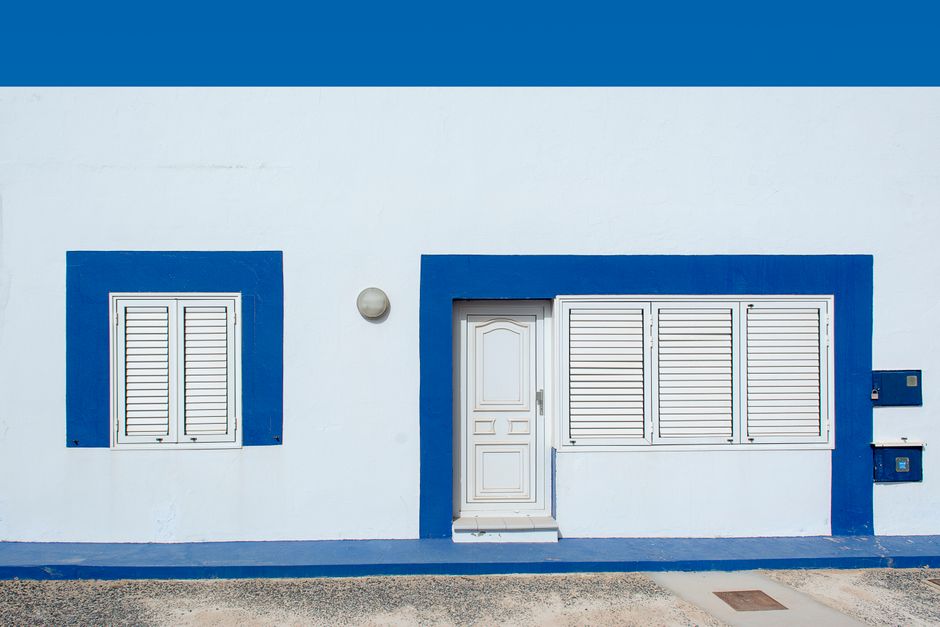
The best choice becomes clearer when the decision starts with the room or wall rather than the brand aisle. Use this final comparison as a compressed buying guide.
| Real-use situation | Pick | Why it wins | When to choose something else |
|---|---|---|---|
| Family room or hallway on a moderate budget | BEHR MARQUEE Interior Eggshell, $56.98 per gallon | Good cleaning ability, broad availability, and a practical mid-range price | Choose matte Aura when color depth and low sheen matter more |
| Designer living room with a deep or complex color | Benjamin Moore Aura Interior Matte, $108.99 per gallon | Rich color appearance and a premium matte look | Skip the premium price for rental walls or high-abuse utility areas |
| Exterior siding, doors, or trim needing a satin finish | BEHR MARQUEE Exterior Satin, $69.98 per gallon | Outdoor formula, satin cleanability, and easy retail access | Choose a contractor-grade exterior line for severe exposure |
| Sun-beaten or weather-exposed siding | Sherwin-Williams Duration Exterior | Premium exterior acrylic designed for demanding weather conditions | Choose a lower-cost exterior paint for a sheltered porch or short-term property |
For most homeowners, the overall winner is BEHR MARQUEE Interior for busy indoor walls and BEHR MARQUEE Exterior Satin for ordinary outdoor repainting. Benjamin Moore Aura earns its price when the finish and color carry the room. Sherwin-Williams Duration earns consideration when weather exposure makes early repainting the larger expense.
That is the practical line between a good paint purchase and a frustrating one: buy the formula for the surface, choose the sheen for the abuse, and spend the remaining effort on cleaning, drying, and prep.