

The Truth About “Air Purifying” Plants
Many believe indoor plants drastically clean the air. It’s a common misconception. While plants do contribute to a healthier environment, their role in actively “purifying” air in a typical home setting is often exaggerated.
The idea largely stems from the 1989 NASA Clean Air Study. This research showed certain houseplants could remove volatile organic compounds (VOCs) like benzene, formaldehyde, and trichloroethylene from sealed chambers. However, the conditions in that study were highly controlled. They used small, sealed environments with high concentrations of toxins, far removed from the complex, dynamic airflow of a modern living space.
In a real home, air exchange rates are much higher. Opening a window for a few minutes can introduce more fresh air than dozens of plants ever could. This doesn’t mean plants are useless; it just reframes their primary benefit. They offer immense value, just not as your sole air purification system.
The NASA Clean Air Study: What It Really Means
NASA’s research was groundbreaking for its time. It identified that plants could indeed metabolize certain airborne toxins. For example, a single spider plant could reduce formaldehyde levels in a small, sealed box by up to 90% in 24 hours. The key here is “sealed box.”
Dr. Stanley J. Kays, a postharvest physiologist at the University of Georgia, has extensively researched plants and air quality. His work, and others since, confirms that while plants do absorb VOCs, the rate is incredibly slow. To achieve the same air cleaning effect as a typical mechanical air purifier, you’d need an impractical number of plants — hundreds, if not thousands, packed into a single room. It’s simply not feasible for most homes.
The study’s findings are valuable for understanding plant physiology, especially in environments like space stations where ventilation is limited. For Earth-bound homes, the practical application as a primary air purifier is minimal.
Why Natural Airflow Matters More
Effective ventilation remains the cornerstone of good indoor air quality. Simply opening windows and doors regularly introduces fresh outdoor air and flushes out indoor pollutants. Exhaust fans in kitchens and bathrooms remove moisture and cooking fumes.
Consider the volume of air. A typical mechanical air purifier moves hundreds of cubic feet of air per minute, filtering it through HEPA and activated carbon filters. Plants, by contrast, exchange air at a much slower rate. They breathe in carbon dioxide and release oxygen, and during this process, they can absorb some VOCs. But the sheer volume and speed of a mechanical system or even basic natural ventilation far surpass what plants can do alone. Prioritizing good airflow is always the first step to truly cleaner indoor air.
Real Ways Plants Enhance Your Home Environment

While direct air purification is overstated, indoor plants still offer substantial benefits. These advantages often go beyond simple air quality, touching on aspects of home comfort, aesthetics, and even mental well-being. Thinking of plants as functional home decor items helps put their role into perspective.
They contribute to a more pleasant and healthful living space through several subtle, yet significant, mechanisms. Plants add life and color, transforming mundane corners into vibrant, inviting areas. This visual appeal alone enhances the overall atmosphere of any room, making it feel more lived-in and comfortable.
Beyond VOCs: Humidity Regulation
Many plants release water vapor through a process called transpiration. This significantly increases local humidity levels. In dry climates, or during winter months when indoor heating dries the air, this added moisture can be incredibly beneficial. Higher humidity can alleviate dry skin, soothe scratchy throats, and reduce static electricity. Plants like the Boston Fern (Nephrolepis exaltata) or a Peace Lily (Spathiphyllum) are particularly effective at boosting ambient moisture. Maintaining an indoor humidity level between 30-50% is ideal for both human comfort and preventing the growth of mold or dust mites.
The Power of Soil Microbes
A lesser-known benefit of indoor plants involves the microbes living in their soil. These microorganisms, particularly in the rhizosphere (the soil zone around the roots), can break down certain airborne toxins that settle in the soil. They convert these organic pollutants into nutrients, effectively acting as a small, natural biofilter. This process is slow and localized, contributing a subtle, ongoing purification effect rather than a dramatic one. It’s a testament to the complex symbiotic relationship between plants and their environment, often overlooked when focusing solely on leaf absorption.
Top Indoor Plants for Boosting Home Wellness
Choosing the right plants for your home is about more than just aesthetics. Select varieties known for their resilience, ease of care, and proven benefits like humidity regulation or simply making your space feel more inviting. Here are some top picks:
-
Snake Plant (Sansevieria trifasciata) – Resilient and Low-Maintenance
The Snake Plant, also known as Mother-in-Law’s Tongue, is renowned for its incredible hardiness. It thrives on neglect, making it perfect for beginners or those without a green thumb. It tolerates a wide range of light conditions, from low to bright indirect, and requires infrequent watering. Allowing the soil to completely dry out between waterings is key. A unique benefit of the Snake Plant is its ability to produce oxygen at night, which is unusual for most plants, making it an excellent choice for bedrooms. Its upright, architectural leaves also add a sleek, modern touch to any decor.
-
Spider Plant (Chlorophytum comosum) – Adaptable and Prolific
Spider Plants are classic houseplants for good reason: they are incredibly easy to grow and propagate. They prefer bright, indirect light but can tolerate lower light levels. Keep their soil consistently moist but avoid overwatering. Spider Plants are known for producing numerous “spiderettes” or plantlets that dangle from the parent plant, making them ideal for hanging baskets or high shelves. These plantlets can easily be rooted to create new plants. They are also non-toxic, making them a safe choice for homes with pets, and add a cheerful, cascading element to your home decor.
-
Pothos (Epipremnum aureum) – Versatile and Forgiving
Pothos is another extremely popular and forgiving plant. Its trailing vines can grow quite long, making it versatile for shelves, hanging baskets, or even climbing a moss pole. It tolerates a wide range of light conditions, from low to bright indirect, and is quite forgiving if you occasionally forget to water it. Allow the top few inches of soil to dry out before watering again. Pothos comes in various variegated forms, such as ‘Marble Queen’ with white and green marbling, or ‘Neon’ with vibrant lime-green leaves, offering diverse aesthetic options. Its resilience makes it a favorite for new plant parents.
-
Peace Lily (Spathiphyllum) – Elegant and Communicative
Peace Lilies are prized for their elegant white spathes (often mistaken for flowers) and lush green foliage. They prefer medium to low indirect light and thrive on consistent moisture. A great feature of Peace Lilies is how communicative they are: they dramatically droop when thirsty, but quickly perk up once watered, making it easy to know their needs. They are also effective at increasing local humidity. Place them in a bathroom or a shaded nook for an immediate touch of sophistication. Keep them away from pets, as they can be mildly toxic if ingested.
-
ZZ Plant (Zamioculcas zamiifolia) – The Unkillable Choice
If you have a history of killing plants, the ZZ Plant is for you. It’s incredibly drought-tolerant and can survive in very low light conditions, though it will grow faster in medium indirect light. Its thick, waxy leaves and rhizomatous root system store water, allowing it to go for weeks, or even months, without watering. Water only when the soil is completely dry. Its architectural form and deep green color make it a striking addition to contemporary or minimalist home decor. It’s the perfect plant for busy individuals or frequently neglected spots like entryways or corners.
-
Boston Fern (Nephrolepis exaltata) – Humidity Booster
The Boston Fern is a classic, lush plant known for its feathery fronds and exceptional ability to increase ambient humidity. It thrives in bright, indirect light and requires consistently moist soil, along with high humidity. Misting regularly or placing it near a humidifier will help it flourish. Its dense foliage adds a traditional, tropical feel to any room. While it demands more attention than a Snake Plant, its visual impact and humidity benefits make it a worthwhile addition, particularly in bathrooms or well-lit living spaces.
Integrating Plants for Optimal Home Decor and Airflow

Strategic plant placement enhances both the visual appeal of your home and maximizes their subtle environmental benefits. Consider how each plant’s size, shape, and light requirements fit into your overall home design. Plants aren’t just green accents; they are living elements that can define spaces, add texture, and even improve the mood of a room. Think about how a tall, slender plant might draw the eye upwards, or a cascading vine could soften the edges of a bookshelf.
Choosing the Right Spot
When placing plants, always consider their specific needs first. A sun-loving succulent will not thrive in a dimly lit corner, just as a shade-loving fern will scorch in direct afternoon sun. Assess natural light sources: windows facing south offer the brightest, most direct light, while north-facing windows provide softer, indirect light. East-facing windows get gentle morning sun, and west-facing windows receive strong afternoon light.
Avoid placing plants directly in front of heating or cooling vents, as sudden temperature fluctuations and dry air can stress them. Similarly, drafty doorways can be detrimental. Consider the plant’s mature size. A small Pothos might look great on a side table now, but its trailing vines will eventually need room to grow or be trimmed back. For larger plants like a Fiddle Leaf Fig (Ficus lyrata) or a large Monstera (Monstera deliciosa), ensure they have ample space to spread without obstructing pathways.
Grouping Plants for Impact
Grouping plants together can create a visually stunning display and also form a beneficial microclimate. When plants transpire, the moisture they release slightly increases the humidity in their immediate vicinity. This can be particularly helpful for humidity-loving plants, as they benefit from each other’s presence. Varying plant heights, leaf textures, and pot styles within a group adds visual interest.
For example, combine a tall Snake Plant in a sleek ceramic pot for a modern look, with a trailing Pothos in a terracotta pot hanging nearby, and a small Peace Lily in a decorative concrete planter on a shelf. The choice of planter materials also matters for home decor. A matte black ceramic pot from a brand like Rivet (an Amazon house brand for home decor) offers a minimalist aesthetic, while a rustic terracotta pot from IKEA’s SOCKER line provides a more natural, earthy feel. Mix and match to complement your existing interior design, creating a cohesive and vibrant green corner.
| Plant Type | Ideal Location | Light Needs | Water Frequency | Home Decor Style |
|---|---|---|---|---|
| Snake Plant | Bedroom, Office | Low to Medium Indirect | Infrequent (every 2-4 weeks) | Minimalist, Modern |
| Spider Plant | Kitchen, Living Room | Bright Indirect | Moderate (every 1-2 weeks) | Boho, Classic |
| Pothos | Shelves, High Spots | Low to Bright Indirect | Moderate (every 1-2 weeks) | Eclectic, Trailing |
| Peace Lily | Bathroom, Shaded Nook | Medium Indirect | Consistent (weekly) | Elegant, Tropical |
| ZZ Plant | Entryway, Corner | Very Low to Medium Indirect | Infrequent (every 3-6 weeks) | Contemporary, Urban |
| Boston Fern | Bathroom, Bright Spot | Bright Indirect, High Humidity | Frequent (multiple times/week) | Traditional, Lush |
Common Plant Care Mistakes to Avoid
Even the hardiest plants can struggle if basic care guidelines are ignored. Avoiding common pitfalls ensures your indoor greenery thrives, contributing to a vibrant and healthy home environment.
How much light is too much/too little for indoor plants?
Finding the right light balance is critical. Too much direct sun can scorch leaves, leading to brown, crispy edges and faded color, especially for plants that prefer indirect light. Conversely, too little light results in leggy growth (long, stretched stems with sparse leaves as the plant reaches for light), small new leaves, and a general lack of vigor. Most indoor plants prefer bright, indirect light, meaning they should be placed a few feet from a south- or west-facing window, or directly in front of an east- or north-facing window. Observe your plant’s growth: if new growth is weak or leaves are yellowing, it might need more light. If leaves are burning, move it further from the window.
What’s the best watering schedule for healthy plants?
Overwatering is the number one killer of indoor plants. It suffocates roots, leading to root rot. The “finger test” is your best friend: stick your finger about 1-2 inches into the soil. If it feels dry, it’s time to water. For succulents and cacti, allow the soil to dry out completely before watering again. For most tropical houseplants, aim for the top layer to be dry. Always ensure your pots have drainage holes to prevent water from pooling at the bottom. The frequency of watering depends on the plant type, pot size, soil mix, and environmental factors like humidity and temperature. There’s no single perfect schedule; learn to read your plant and its soil.
Do I need special soil or fertilizer for indoor plants?
Yes, good quality potting mix designed for indoor plants is essential. Regular garden soil is too dense, lacks proper drainage, and can introduce pests or diseases. A well-draining indoor potting mix typically contains peat moss, perlite, or vermiculite to ensure aeration. Fertilizer isn’t always necessary, especially for newly potted plants or during their dormant period (fall and winter). During the active growing season (spring and summer), a balanced liquid fertilizer, like a 5-5-5 NPK ratio, diluted to half strength, can provide essential nutrients. Avoid over-fertilizing, as this can burn roots.
How do I handle common indoor plant pests naturally?
Early detection is crucial for managing pests like spider mites, mealybugs, and fungus gnats. Regularly inspect your plants, especially the undersides of leaves. For spider mites, increase humidity and wipe leaves with a damp cloth. For mealybugs, dab them directly with a cotton swab dipped in rubbing alcohol. Fungus gnats usually indicate overwatering; allow the soil to dry out more between waterings and use sticky traps to catch adults. For a more comprehensive approach, consider natural remedies like neem oil spray (e.g., Bonide Neem Oil Concentrate) or insecticidal soap (e.g., Safer Brand Insect Killing Soap), applied according to product instructions. These options are effective without introducing harsh chemicals into your home.
When to Consider a Mechanical Air Purifier
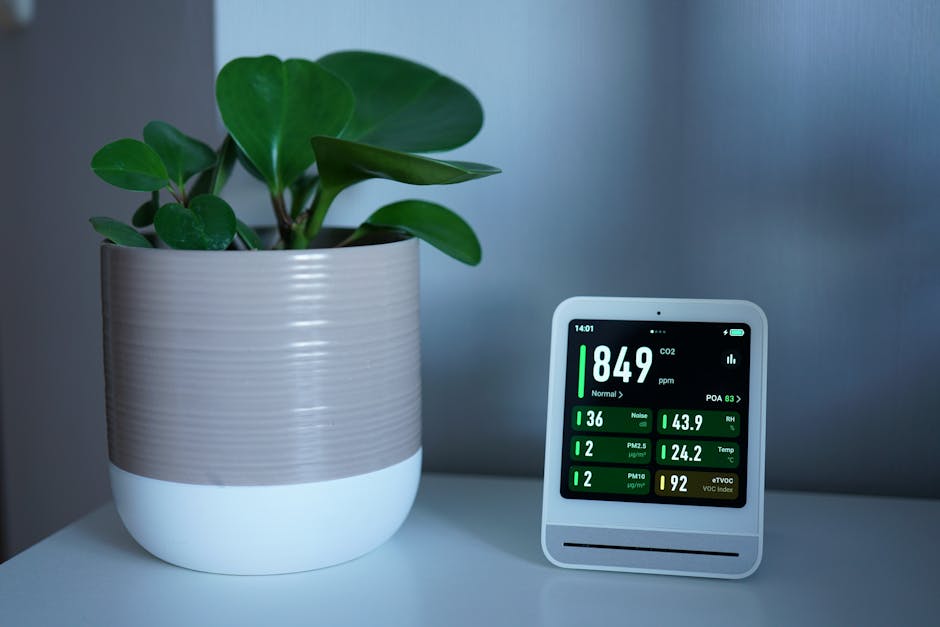
Plants offer significant benefits to home wellness and aesthetics. However, for serious indoor air quality concerns, they are not a substitute for mechanical air purification. If you deal with persistent pet dander, pollen allergies, smoke, strong cooking odors, or off-gassing from new furniture, a dedicated air purifier is essential. Machines like the Levoit Core 300S, Coway Airmega 200M, or Blueair Classic 480i use HEPA and activated carbon filters to effectively capture particles and absorb odors at a rate no plant can match. For truly clean air, pair the aesthetic and wellness benefits of plants with a dedicated mechanical air purifier.